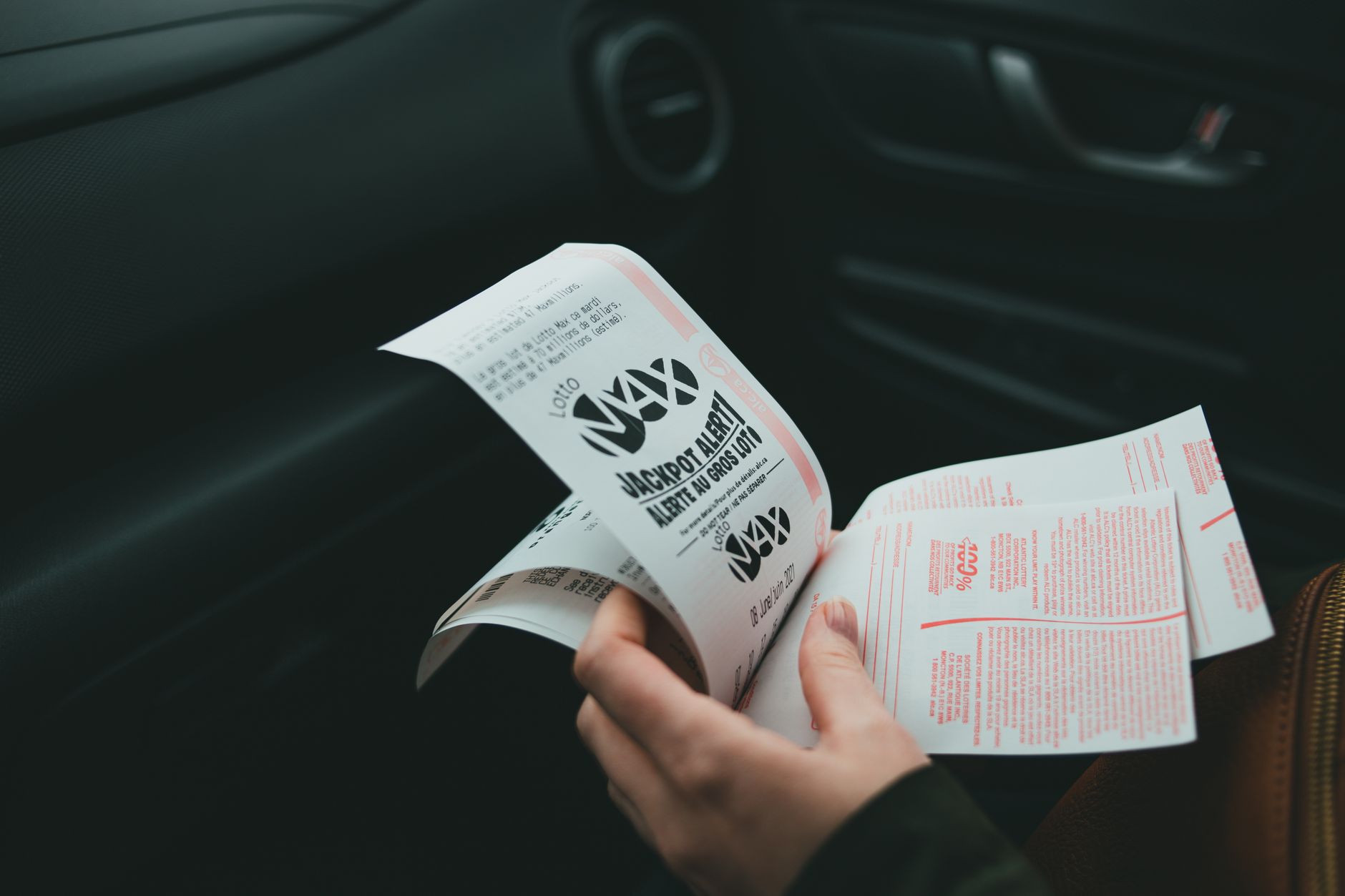
Raffle licenses Wisconsin are an important aspect of gambling regulations. Understanding the difference between a giveaway and a sweepstakes can help you navigate these laws effectively.
What Are Raffle Licenses in Wisconsin?
Raffle licenses in Wisconsin are essential for organizations wishing to conduct raffle events legally. These licenses are granted by the state and are intended to regulate the conduct of raffles, ensuring transparency and fairness in the process. A raffle is a type of gambling where participants purchase tickets for a chance to win a prize, and the winner is selected through a random drawing.
To obtain a raffle license in Wisconsin, organizations must meet specific criteria, including:
- Nonprofit Status: Only nonprofit organizations, such as charities or community groups, are eligible to apply for a raffle license.
- Application Process: Organizations must complete an application form and submit it to the Wisconsin Department of Administration for approval.
- Compliance with Regulations: All raffles must adhere to state regulations, including ticket pricing and prize limits.
In the past year alone, Wisconsin issued more than 13,000 raffle licenses, highlighting the popularity of these fundraising events. Understanding the requirements and processes involved in obtaining raffle licenses in Wisconsin is crucial for organizations aiming to run successful and compliant giveaways.
Understanding Giveaways vs. Sweepstakes
When it comes to fundraising events, understanding the distinction between giveaways and sweepstakes is crucial for organizations in Wisconsin seeking raffle licenses. While both are popular methods to engage the public, they operate under different legal frameworks.
Giveaways are typically simple promotions where participants receive free items or chances to win without any purchase requirement. These often encourage customer interaction and brand awareness but do not qualify as a raffle under Wisconsin law.
On the other hand, sweepstakes involve a random drawing where participants must meet specific criteria, which could include making a purchase or submitting an entry form. In Wisconsin, these require careful consideration of the rules to avoid confusion with lotteries and ensure compliance with state regulations.
To legally conduct a raffle, organizations must apply for raffle licenses in Wisconsin, which ensures that the event is regulated and conducted fairly. This process helps protect participants and maintain the integrity of the fundraising effort.
Understanding these distinctions can help organizations navigate the complexities of promotions, ensuring they follow legal requirements while maximizing engagement and fundraising potential.
The Process of Obtaining a Raffle License
Obtaining a raffle license in Wisconsin involves several key steps to ensure compliance with state regulations. First, organizations must determine their eligibility, as only certain types, such as non-profits and charities, can apply for raffle licenses.
Next, applicants are required to fill out a detailed application form. This form typically includes information about the organization, the purpose of the raffle, and the proposed date and location of the event. Along with the application, organizations must submit a copy of their bylaws and a statement of their non-profit status.
Once the application is submitted, it is reviewed by the Wisconsin Department of Administration. If approved, the organization will receive their raffle license, which allows them to legally conduct the raffle. It’s essential to remember that raffle licenses in Wisconsin have specific regulations, including limits on ticket sales and requirements for reporting the results.
In addition, organizations must keep accurate records of ticket sales and prize distributions, as these may be subject to inspection. Following these steps ensures a smooth process and helps maintain the integrity of the raffle event.
Common Misconceptions About Raffles
When discussing raffle licenses in Wisconsin, several misconceptions often arise that can lead to confusion for organizations and participants alike. Understanding these misunderstandings is crucial for anyone looking to host a raffle or engage in charitable gambling.
- All Raffles Require a License: While many raffle events do need a license, certain small-scale raffles may qualify for exemptions based on the total value of prizes or the frequency of the events.
- Raffles are the Same as Lotteries: Although both involve drawing for prizes, raffles are typically organized for charitable purposes and have different legal regulations compared to state-run lotteries.
- You Can Hold Raffles Anytime: Raffle licenses in Wisconsin must be obtained and the events scheduled according to specific state regulations, which can limit when and how often they can be held.
- Anyone Can Host a Raffle: Only eligible organizations, such as nonprofits and charitable groups, can apply for raffle licenses in Wisconsin, ensuring that the proceeds support community-focused causes.
Clarifying these misconceptions can help organizations navigate the regulations more effectively and ensure compliance while maximizing their fundraising efforts.
Obtaining raffle licenses Wisconsin is essential for anyone looking to host a successful fundraising event. Understanding the regulations surrounding raffle licenses Wisconsin can help ensure compliance and maximize participation.
Photo by Erik Mclean on Pexels



One thought on “Raffle Licenses Wisconsin: The Simple Guide to Sweepstakes”