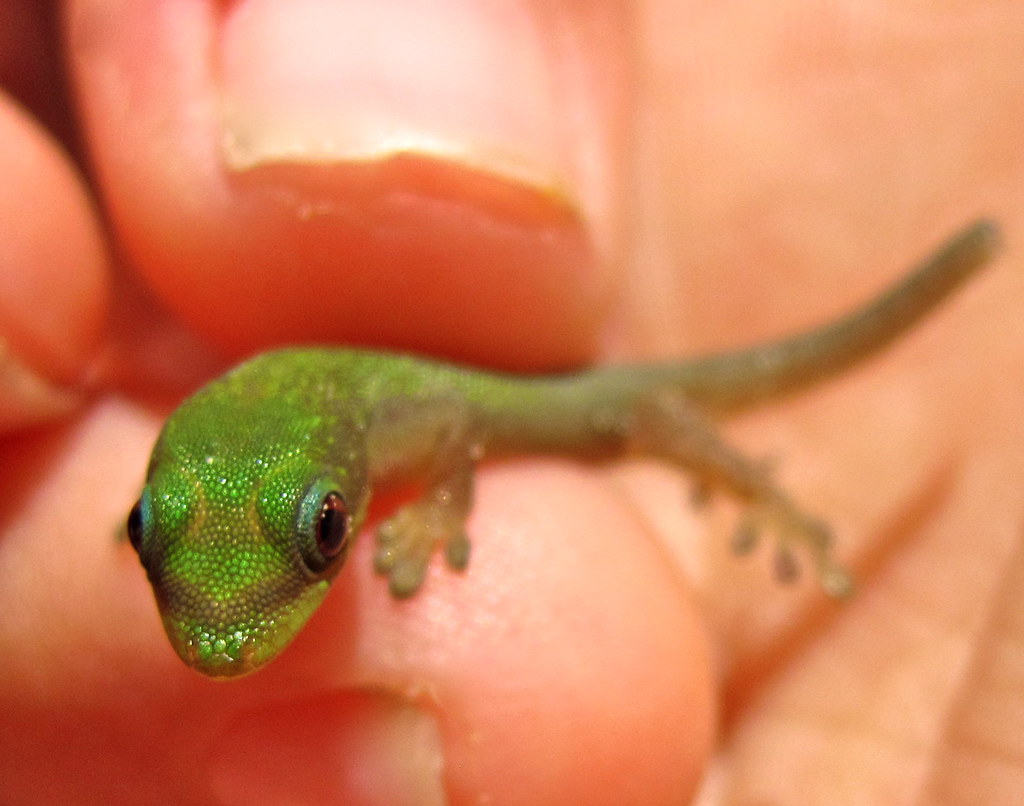
Lizard tail shedding is a remarkable survival strategy that has been utilized for 99 million years. Israeli research sheds light on this fascinating adaptation in reptiles.
What is Lizard Tail Shedding?
Lizard tail shedding, also known as autotomy, is a fascinating survival mechanism that has evolved over millions of years. When threatened by predators, many lizard species can detach their tails, allowing them to escape while the tail continues to wriggle and distract the attacker. This remarkable ability has been observed for approximately 99 million years, highlighting its effectiveness in nature.
The detached tail can serve various purposes:
- Distraction: The moving tail can divert a predator’s attention, giving the lizard crucial seconds to escape.
- Regeneration: Many lizards have the ability to regrow their tails over time, although the new tail may differ in appearance and structure.
- Energy conservation: Shedding a tail can help reduce the lizard’s weight, making it easier to flee from danger.
Overall, lizard tail shedding is a remarkable adaptation that enhances the chances of survival in a hostile environment.
The Science Behind Tail Shedding
The phenomenon of lizard tail shedding serves as a remarkable survival mechanism that has evolved over millions of years. Research indicates that when threatened by predators, lizards can intentionally lose their tails, allowing them to escape while the detached tail distracts the attacker. This unique ability is rooted in a process known as autotomy.
Several scientific studies have examined the mechanics and benefits of tail shedding:
- Energy Conservation: Regrowing a tail takes energy, but the initial survival instinct to shed can preserve life.
- Predatory Distraction: The writhing tail draws attention away from the lizard during its escape.
- Evolutionary Advantage: Over time, species that developed this ability have demonstrated increased survival rates against predators.
Understanding the science behind tail shedding not only highlights the adaptability of lizards but also showcases the intricate strategies that nature employs for survival.
Benefits of Shedding for Lizards
Lizard tail shedding, known scientifically as autotomy, provides several benefits that enhance the survival of these reptiles. This natural defense mechanism allows lizards to escape predation while leaving a portion of their tail behind. The following are key advantages of this remarkable ability:
- Predator Distraction: When a lizard sheds its tail, the wriggling appendage can draw a predator’s attention, giving the lizard a chance to flee.
- Energy Conservation: Shedding allows lizards to conserve energy by avoiding a fight, which could lead to injury or death.
- Regeneration: Many lizards can regenerate their tails over time, restoring their lost appendage without permanent damage.
- Survival Rates: Research indicates that lizards with the ability to shed their tails have higher survival rates in the wild.
Overall, lizard tail shedding is an evolutionarily advantageous strategy that has been effective for millions of years.
Historical Context of Tail Shedding
The phenomenon of lizard tail shedding has been observed for millions of years, with evidence suggesting that this survival mechanism dates back approximately 99 million years. Fossil records indicate that early lizards developed the ability to shed their tails as a response to predation. This adaptation not only allowed them to escape from predators but also ensured their continued survival in a competitive environment.
Historically, various species of lizards have exhibited this behavior as a strategy to distract attackers, giving them the chance to flee. Over time, the ability to regenerate lost tails has evolved, further enhancing the survival odds of these reptiles. Research conducted by Israeli scientists highlights the ancient roots of this adaptive trait, shedding light on how lizard tail shedding has played a crucial role in their evolutionary history.
- Fossil evidence supports the long history of this adaptation.
- Early lizards utilized tail shedding as a defense mechanism.
Research Findings from Israel
Recent research conducted in Israel has shed new light on the fascinating phenomenon of lizard tail shedding. Scientists have discovered that this survival mechanism has been employed by lizards for approximately 99 million years. According to the study, lizards that shed their tails can escape predators more effectively, as the detached tail continues to move, distracting the attacker and allowing the lizard to flee.
The research team observed various species in their natural habitats, noting that lizards often exhibit this behavior in response to imminent threats. The ability to regenerate a lost tail further enhances their survival prospects, enabling them to maintain a functional role in their ecosystems.
Additionally, these findings highlight the evolutionary advantages of tail shedding, emphasizing its critical role in the survival strategies of lizards over millions of years.
Implications for Reptile Conservation
The phenomenon of lizard tail shedding carries significant implications for reptile conservation efforts. Understanding this natural defense mechanism can inform strategies aimed at preserving lizard populations in the wild. As habitats continue to face threats from urbanization and climate change, recognizing the adaptive behaviors of these creatures becomes critical.
Conservationists can leverage insights from tail shedding to create more effective protection measures. For instance, enhancing habitat complexity may support lizards in their natural behaviors, including tail shedding, which can aid in evading predators. Additionally, educating the public about the ecological importance of lizards can foster a greater appreciation for their role in maintaining biodiversity.
Moreover, research into lizard tail shedding helps scientists identify vulnerable species that may be at risk of extinction. By focusing on these insights, conservation initiatives can be tailored to address the unique challenges faced by different lizard populations.
Future Studies on Lizard Adaptations
As researchers continue to uncover the complexities of lizard tail shedding, future studies are poised to explore various adaptations across different lizard species. Understanding the evolutionary significance of lizard tail shedding can provide insights into their survival strategies in changing environments.
Future research may focus on the following areas:
- Comparative Analysis: Investigating tail-shedding mechanisms in various lizard species to identify adaptive traits.
- Environmental Impact: Assessing how climate change influences tail-shedding behavior and its effectiveness as a survival tactic.
- Genetic Studies: Exploring the genetic basis for tail regeneration and its relationship to lizard tail shedding.
- Behavioral Studies: Examining how lizards interact with predators post-shedding and the role of tail loss in survival.
Ultimately, these findings will enhance our understanding of lizard adaptations and the crucial role of lizard tail shedding in their survival.
By jurvetson via Openverse
References
Related reading
New Zealand cricket performance: The Worst Finish in Recent History · AI Political Bias Research: The Right Insights You Need · Alberta online gambling revenue: Is it worth the hype?