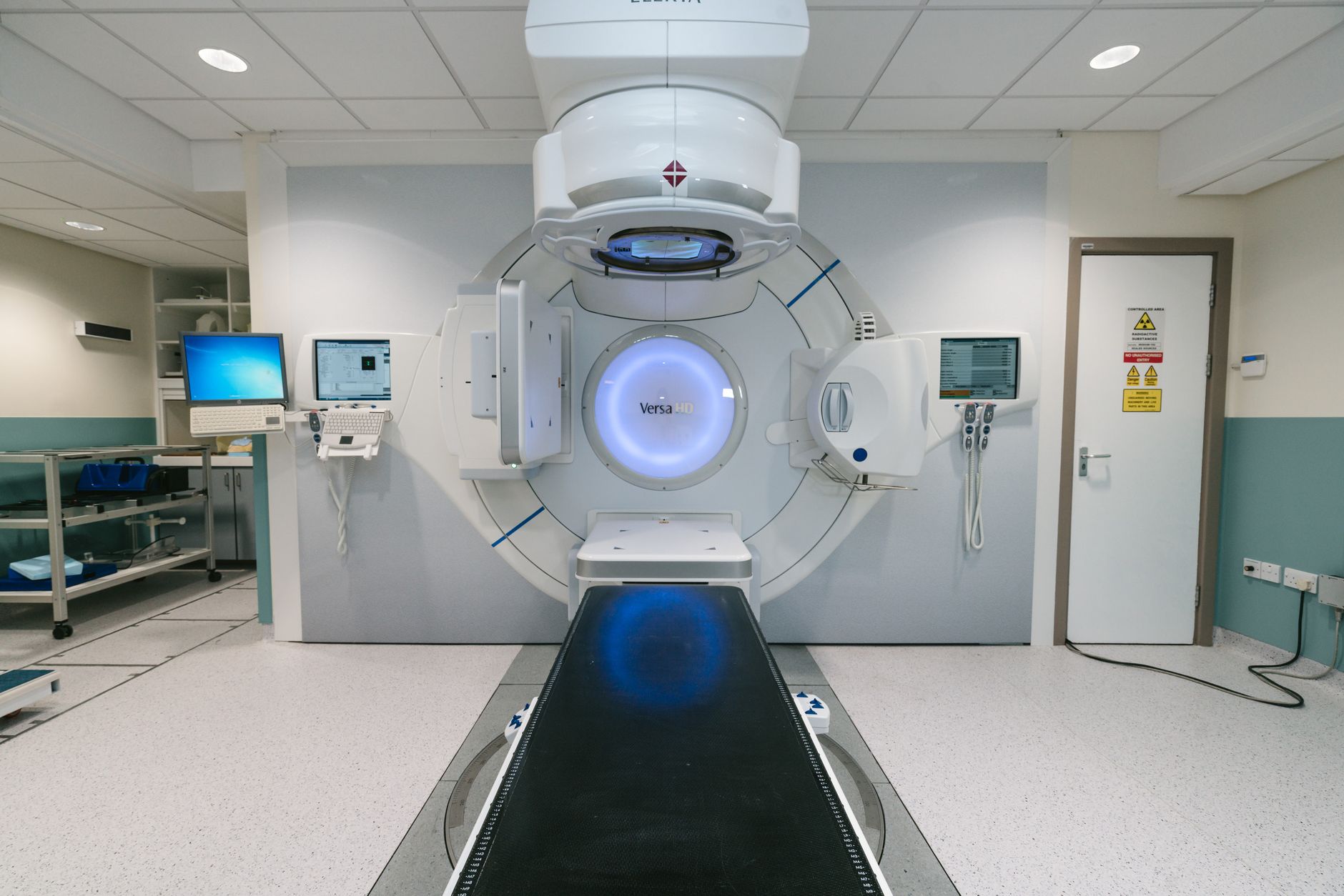
physics puzzle radiation has been solved by researchers, paving the way for tougher electronics. This breakthrough could significantly enhance the resilience of electronic devices against radiation.
Understanding the Physics Puzzle
Recent advancements in the field of physics have led researchers to tackle a challenging physics puzzle regarding radiation. This breakthrough could have significant implications for the future of electronics, particularly in enhancing their durability and performance.
The research focuses on how radiation affects materials at the atomic level. By understanding the interactions between radiation and various electronic components, scientists can develop strategies to mitigate damage. The study has revealed that certain materials can withstand higher levels of radiation without compromising their integrity.
- Researchers conducted extensive experiments to analyze the effects of radiation on different substances.
- They discovered that specific combinations of materials exhibit remarkable resilience.
- The findings suggest that future electronic devices could be built using these innovative materials, enabling them to function effectively in harsh environments.
This new understanding of radiation not only provides solutions to existing challenges in the electronics sector but also opens doors to new applications in fields such as space exploration and medical technology. With these proven solutions, the industry may soon witness a transformation in how electronics are designed, making them tougher and more reliable.
The Impact of Radiation on Electronics
The impact of radiation on electronics has become a critical area of research, especially with the increasing demand for more durable devices. Electronics are often exposed to various radiation sources, which can lead to malfunctions or degradation over time. Understanding this physics puzzle radiation is essential for developing solutions that enhance the resilience of electronic components.
Researchers have identified several key effects of radiation on electronic materials:
- Displacement damage: This occurs when energetic particles collide with atoms in a semiconductor, displacing them from their original positions, which can disrupt electronic functions.
- Ionization damage: High-energy radiation can ionize atoms, creating electron-hole pairs that can lead to leakage currents and reduced efficiency in devices.
- Thermal effects: Radiation can generate heat within electronic components, potentially causing thermal runaway and failure if not managed properly.
To combat these challenges, researchers are developing innovative materials and designs that can withstand the harsh effects of radiation. By solving this physics puzzle, the industry aims to create tougher electronics suitable for a variety of demanding applications, from space exploration to medical devices.
How Researchers Solved the Puzzle
In a groundbreaking study, researchers have made significant advancements in solving the long-standing physics puzzle radiation, which has posed challenges in the field of electronics for years. The team, comprising experts from various institutions, employed a multifaceted approach to tackle the complex interactions between radiation and electronic components.
One of the key strategies involved:
- Innovative Material Development: Scientists explored new materials that could withstand higher levels of radiation without degrading performance.
- Advanced Simulation Techniques: Utilizing cutting-edge computational models, researchers simulated the effects of radiation on electronic circuits, allowing them to predict vulnerabilities.
- Collaborative Experiments: The team conducted numerous experiments to validate their theories, leading to a deeper understanding of how radiation affects different materials.
As a result of these efforts, the researchers have proposed several solutions that could significantly enhance the durability of electronics in high-radiation environments. These advancements not only address the physics puzzle radiation but also hold promise for the future of technology in various applications, including space exploration and medical devices. The findings highlight the importance of interdisciplinary collaboration in solving complex scientific challenges.
Future Implications for Technology
The recent breakthroughs in understanding the physics puzzle radiation have significant implications for the future of technology. As electronics continue to shrink in size and increase in complexity, their vulnerability to radiation becomes a pressing concern. With improved insights into how radiation interacts with materials, researchers are now able to develop stronger and more resilient electronic components.
One of the key outcomes of this research is the potential for creating devices that can operate in challenging environments, such as space or nuclear facilities. This advancement could lead to:
- Enhanced durability in smartphones and laptops, reducing the likelihood of malfunction due to external radiation.
- Improved safety in medical devices that operate in high-radiation areas, ensuring reliability during critical procedures.
- Greater performance of satellites and space probes, enabling them to withstand harsh cosmic radiation while maintaining functionality.
As these solutions continue to evolve, the implications extend beyond consumer electronics. Industries such as aerospace, defense, and medical technology stand to benefit immensely from this newfound understanding of the physics puzzle radiation, paving the way for innovations that were previously thought to be unattainable.
Researchers have made significant advancements in understanding the implications of physics puzzle radiation on the durability of electronic components. By addressing the challenges posed by physics puzzle radiation, engineers can develop more resilient devices that withstand harsh environments.
Photo by Jo McNamara on Pexels