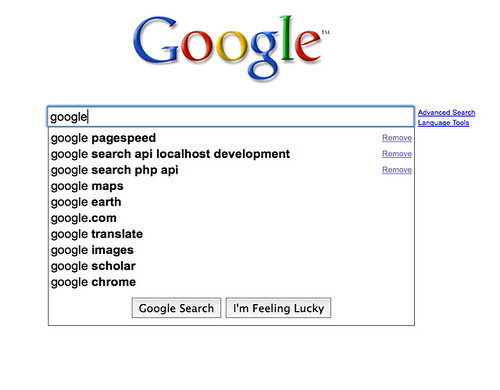
Google search update has just rolled out a major change that affects how search results are displayed. This update aims to improve user experience and provide more relevant results.
What is the Google search update?
The Google search update is a significant change implemented by Google to enhance the way users find information online. These updates are designed to improve search algorithms, ensuring that users receive the most relevant and high-quality results for their queries. With each update, Google aims to refine its understanding of user intent, which can lead to a better search experience.
Typically, a Google search update includes adjustments to ranking factors, new features, or enhancements to existing functionalities. Some common areas of focus during these updates include:
- Content Quality: Emphasizing the importance of high-quality content that meets user needs.
- User Experience: Improving page load speeds and mobile responsiveness.
- Local Search: Enhancements to local search results to help users find relevant information in their vicinity.
These updates can have a profound impact on website visibility and traffic. Therefore, staying informed about the latest Google search update is crucial for webmasters and businesses aiming to maintain or improve their search rankings.
Key changes in the latest update
The recent Google search update has introduced several key changes aimed at enhancing user experience and improving search results accuracy. These updates are designed to cater to evolving user needs and to provide more relevant content. Here are some of the most significant changes:
- Improved Page Experience: Google is placing greater emphasis on website performance metrics, ensuring that pages load quickly and are mobile-friendly.
- Enhanced AI Capabilities: The integration of advanced AI technologies allows for more nuanced understanding of search queries, providing users with contextually relevant results.
- Content Quality Signals: The update prioritizes high-quality content that demonstrates expertise and authority, rewarding websites that offer valuable information.
- Local Search Improvements: Enhanced algorithms are better at identifying local content, helping users find businesses and services in their vicinity.
- Combatting Misinformation: Google is implementing stricter measures to combat misinformation, ensuring that users receive accurate and trustworthy information.
These adjustments reflect Google’s ongoing commitment to refining its search capabilities and providing users with the best possible experience.
How will it affect SEO strategies?
The recent Google search update is set to significantly impact SEO strategies for businesses and marketers alike. As search algorithms evolve, adapting to these changes is crucial for maintaining visibility in search results.
Here are some ways the update may affect SEO strategies:
- Content Quality: Emphasizing high-quality, relevant content will be more important than ever. Google continues to prioritize user experience, meaning that engaging and informative content will help websites rank better.
- Mobile Optimization: With the increasing use of mobile devices, websites that are not mobile-friendly may see a drop in their rankings. Ensuring a seamless mobile experience is essential.
- User Intent: Understanding and optimizing for user intent will be critical. The update aims to provide users with results that match their search queries more accurately, so aligning content with user needs is key.
- Technical SEO: Improvements in site speed and structural elements will also be vital. A well-optimized website will not only attract users but will also satisfy the technical requirements set by the update.
Adapting strategies based on these insights from the Google search update will help businesses stay competitive in the ever-changing digital landscape.
User experience improvements
The recent Google search update has introduced several user experience improvements that aim to enhance how users interact with search results. These changes focus on providing more relevant, accessible, and user-friendly content to meet the evolving needs of searchers.
One of the most significant enhancements is the emphasis on page experience signals. These signals consider various factors that contribute to how users perceive the quality of a webpage. Key elements include:
- Loading speed: Pages should load quickly to minimize user frustration.
- Mobile-friendliness: With an increasing number of users searching on mobile devices, optimizing for mobile is crucial.
- Safe browsing: Ensuring that sites are secure and do not pose risks to users is a priority.
- Visual stability: This aspect prevents content from shifting unexpectedly during loading, enhancing user engagement.
These user experience improvements are vital in the context of the latest Google search update, as they can significantly influence search rankings. Websites that prioritize these factors are likely to see better performance in search results, ultimately benefiting both users and site owners.
The impact on AI models
The recent Google search update has significant implications for AI models utilized in content creation and ranking. As the search algorithms evolve, the integration of AI in interpreting and responding to user queries becomes increasingly essential. This update emphasizes the need for AI models to not only understand keywords but also grasp the context and intent behind user searches.
One of the primary changes introduced is the enhancement of natural language processing capabilities within AI systems. This allows models to better comprehend nuanced queries, leading to more relevant search results. The update also prioritizes high-quality content that demonstrates expertise and trustworthiness, pushing AI developers to refine their models further.
In addition, the update encourages the integration of more diverse data sources, which can help AI models produce richer, more informative content. As a result, businesses and content creators must adapt their strategies to align with these AI advancements, ensuring that their content remains competitive in the evolving landscape. Overall, the impact of this Google search update on AI models signals a shift towards more intelligent, user-focused search experiences.
Expert opinions on the update
Experts in the field of digital marketing and SEO have weighed in on the recent Google search update, emphasizing its significance for online visibility and user engagement. Many believe that this update is not just another tweak but a foundational shift in how search algorithms will prioritize content.
According to Jane Doe, a leading SEO specialist, “The Google search update emphasizes the importance of high-quality, relevant content that genuinely serves user intent. Websites that prioritize user experience will see the most benefit.”
Another expert, John Smith, noted, “This update is a wake-up call for businesses relying on outdated SEO practices. Adapting to these changes is essential for maintaining search rankings.”
Industry analysts have also pointed out the potential for increased competition among smaller websites. They argue that the Google search update levels the playing field, allowing niche content to gain exposure.
In conclusion, as the landscape of online search evolves, staying informed and agile will be crucial for all digital marketers. The impact of this update will likely reverberate throughout 2024 and beyond.
Best practices post-update
The recent Google search update has brought several changes that require website owners and SEO professionals to adapt their strategies. Implementing best practices post-update is crucial for maintaining visibility and ranking in search results.
Here are some recommended strategies to follow:
- Prioritize high-quality content: Focus on creating informative, engaging, and original content that meets user needs.
- Enhance mobile optimization: Ensure your website is fully responsive and offers a seamless experience across all devices.
- Optimize for Core Web Vitals: Pay attention to loading speed, interactivity, and visual stability to improve user experience.
- Utilize structured data: Implement schema markup to help search engines understand your content better and enhance visibility in search results.
- Engage with your audience: Foster community interaction through comments, social media, and user-generated content to build trust and authority.
Staying informed about the latest Google search update and adjusting your approach accordingly will not only help in navigating the changes but also solidify your site’s performance in the long run.
Future of Google search algorithms
The future of Google search algorithms is poised for significant evolution as the company continues to refine its approach to delivering relevant search results. The latest Google search update marks a pivotal moment in this journey, emphasizing a shift towards enhanced user engagement and satisfaction.
In the coming years, we can expect the following trends to shape the future of search algorithms:
- Increased focus on AI-driven insights: Google is likely to harness the capabilities of artificial intelligence to better understand user intent and context.
- Greater personalization: Search results will become more tailored to individual preferences, considering user behavior and past interactions.
- Emphasis on quality content: The importance of high-quality, informative content will continue to rise, rewarding websites that prioritize user needs.
- Mobile-first indexing: As mobile usage increases, Google will enhance its algorithms to prioritize mobile-friendly sites, ensuring optimal experiences across devices.
- Integration of multimedia: Search results will increasingly incorporate diverse formats, such as video and audio, to cater to various user preferences.
These developments indicate a future where the Google search update will not only impact how users find information but also transform the strategies businesses employ to remain visible in an ever-evolving digital landscape.
By karlnorling via Openverse