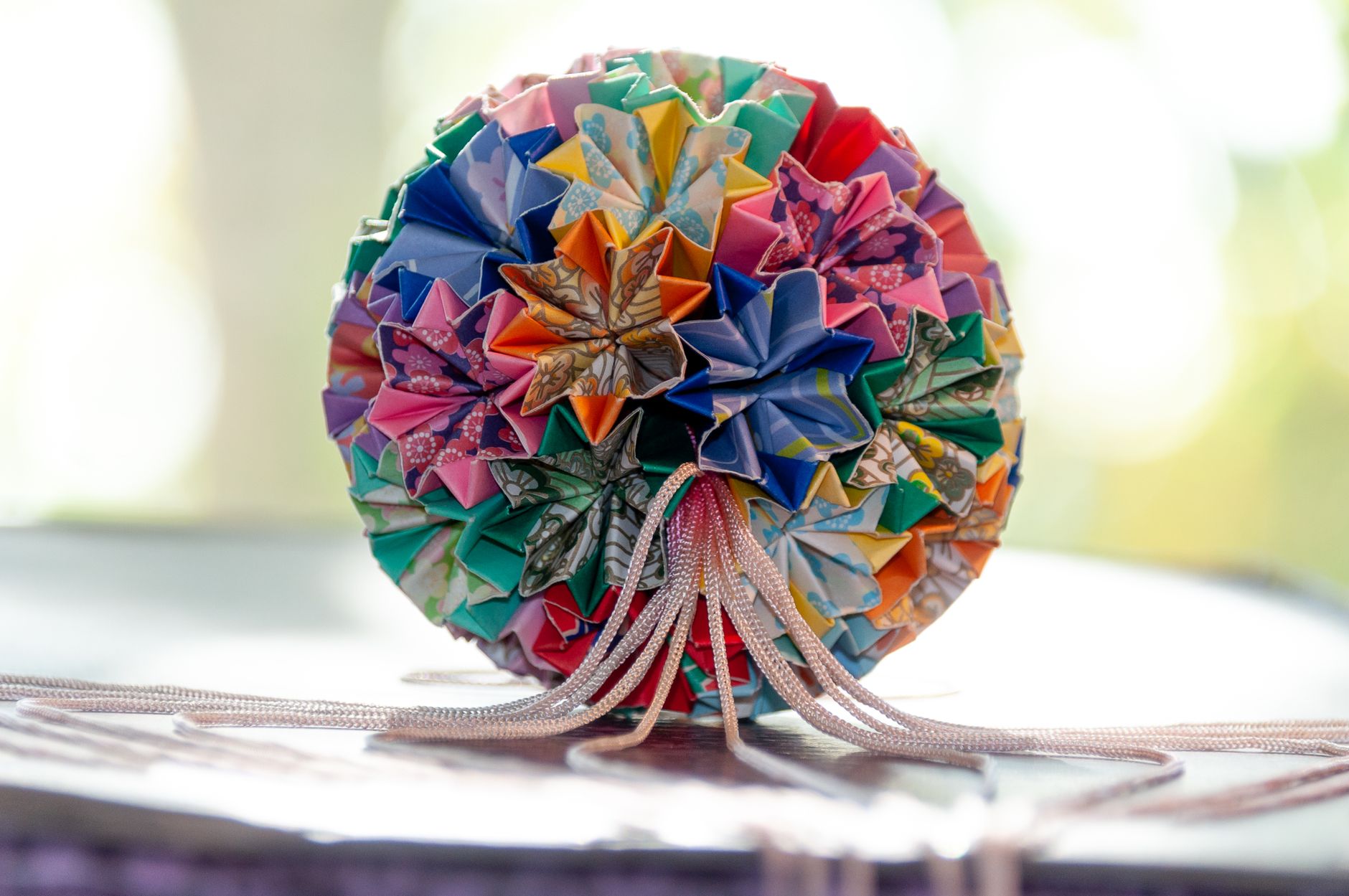
Kirigami techniques are revolutionizing the way we create functional designs. This unique art form combines creativity with practicality, leading to impressive results.
What is Kirigami?
Kirigami is a traditional Japanese art form that involves cutting and folding paper to create intricate designs. Unlike origami, which focuses solely on folding, kirigami incorporates precise cuts to enhance the visual appeal and functionality of the creations. This craft has evolved over the years, branching into various applications beyond mere art, including practical design solutions.
The techniques used in kirigami allow artists to transform flat sheets of paper into three-dimensional structures. These structures can range from simple shapes to complex models, often featuring elements such as:
- Pop-up cards that spring to life when opened
- Decorative boxes that combine aesthetics with utility
- Architectural models that showcase innovative design concepts
Kirigami techniques not only enhance the creativity involved in paper crafting but also open doors to functional designs that serve everyday purposes. Artists often experiment with various materials and patterns, pushing the boundaries of what can be achieved through this unique method. As the popularity of kirigami grows, so does the interest in its potential to blend art with practicality.
The History of Kirigami
Kirigami, the art of cutting paper to create intricate designs, has a rich history that dates back to ancient Japan. Initially, this technique was utilized in religious ceremonies and special occasions, where beautifully crafted paper pieces were integral to celebrations. As time progressed, kirigami evolved into a popular craft, embraced by artists and hobbyists alike.
During the Edo period, the popularity of kirigami expanded, leading to the development of various styles and techniques. Traditional kirigami involved folding paper before cutting, which allowed for symmetrical designs that captivated audiences. As the craft spread to different cultures, it began to incorporate elements from various artistic traditions, enhancing its versatility.
In the 20th century, kirigami techniques gained recognition beyond Japan, finding their way into Western art and design. Artists began experimenting with functional designs, creating innovative pieces that blended aesthetics with practicality. Today, kirigami is not only a cherished art form but also a valuable tool in various fields, including architecture and product design.
As we explore the modern applications of kirigami, it is evident that the techniques developed over centuries continue to inspire creativity and functionality in contemporary design.
Applications of Kirigami Techniques
The applications of kirigami techniques extend beyond mere artistic expression, finding utility in various fields. Here are some notable areas where these techniques are making a significant impact:
- Architecture: Kirigami principles are used to create innovative structural designs. The folding patterns not only enhance aesthetics but also improve the adaptability of building materials.
- Robotics: Engineers utilize kirigami methods to develop flexible and lightweight components for robots. These designs allow for greater movement and functionality in confined spaces.
- Medical Devices: Kirigami techniques are being employed in the creation of expandable stents and other devices that require precise folding and unfolding to function effectively within the human body.
- Packaging: The intricate designs of kirigami can lead to innovative packaging solutions that are both visually appealing and functional, reducing material waste while protecting products.
- Fashion: Designers are incorporating kirigami elements into clothing and accessories, creating garments that can transform in shape and style through clever folding techniques.
As these diverse applications demonstrate, the versatility of kirigami techniques continues to inspire creativity and functionality across various industries.
Benefits of Using Kirigami
The benefits of using Kirigami techniques extend beyond mere artistic expression, offering practical advantages in various fields. This traditional Japanese art form, which involves cutting and folding paper, has been adapted to create functional designs that can enhance everyday life.
One of the primary benefits is versatility. Kirigami can be used in a multitude of applications, from architecture to product design. The ability to manipulate paper into complex shapes allows designers to explore innovative solutions that are both aesthetically pleasing and highly functional.
Additionally, Kirigami techniques promote sustainability. By using paper as a primary material, artists and designers can create eco-friendly products that minimize environmental impact. Many projects utilize recycled materials, further contributing to sustainability efforts.
Moreover, the process of creating Kirigami designs encourages creativity and problem-solving skills. It challenges individuals to think outside the box and develop unique designs that serve a purpose, whether for decoration, structural support, or practical use.
In summary, the incorporation of Kirigami techniques into functional designs not only fosters creativity but also supports sustainability and versatility in various applications, making it a valuable skill in both artistic and practical realms.
Kirigami vs Origami
The distinction between Kirigami and Origami often leads to confusion, as both crafts involve paper manipulation. However, they differ significantly in technique and outcome.
Origami refers to the art of paper folding, where a single sheet of paper is transformed into intricate shapes or figures without any cuts. This technique emphasizes the precision of folds and requires a thorough understanding of geometric principles. The end results are typically 3D sculptures, animals, or flowers that stand on their own.
In contrast, Kirigami techniques incorporate cutting into the design process. This allows artists to create more complex and detailed structures, resulting in pieces that can include both folding and intricate cut patterns. The ability to cut paper adds a new layer of creativity, enabling designs that can be both functional and decorative.
- Kirigami can create pop-up cards, intricate decorations, and even architectural models.
- Origami focuses on achieving beauty through folds alone.
Understanding these differences not only enhances appreciation for each art form but also opens up possibilities for innovative designs using both Kirigami techniques and Origami.
Famous Kirigami Artists
Kirigami, the art of cutting and folding paper, has captivated many artists around the world. Several renowned figures have made significant contributions to the field, showcasing their unique interpretations and techniques.
One of the most famous kirigami artists is Tomoko Fuse, known for her intricate designs that blend traditional and modern styles. Her work often emphasizes the beauty of symmetry and precision in kirigami techniques.
Another notable artist is Matthew Reinhart, who specializes in pop-up books and incorporates kirigami principles into his creations. His ability to transform a simple sheet of paper into a dynamic and interactive experience highlights the functionality of kirigami techniques.
Yoshihide Sawada is also a prominent figure, revered for his delicate and detailed paper cuttings. His pieces often reflect nature and cultural themes, demonstrating the versatility and artistic potential of kirigami.
These artists, among others, have not only popularized kirigami but have also pushed the boundaries of what can be achieved with this craft. Their innovative designs continue to inspire both enthusiasts and newcomers to explore the fascinating world of kirigami techniques.
How to Get Started with Kirigami
Getting started with kirigami techniques can be an exciting journey into the world of paper art. Whether you are a beginner or have some experience, the following steps will help you create beautiful, functional designs.
- Gather Materials: Start with quality paper, scissors, and a craft knife. Depending on your project, you might also need a cutting mat and a ruler for precision.
- Choose a Design: Look for simple templates online or create your own. Many beginners start with basic patterns, such as snowflakes or geometric shapes, before progressing to more intricate designs.
- Practice Cutting Techniques: Familiarize yourself with different cutting methods, such as straight cuts, curves, and intricate details. Practice these skills on scrap paper to improve your confidence.
- Assemble Your Project: Once your cuts are completed, carefully fold and assemble your kirigami piece. Use glue or tape as needed to secure different elements.
- Experiment and Innovate: Don’t be afraid to modify existing designs or create your own. Kirigami techniques encourage creativity, so feel free to explore new ideas and styles.
By following these steps, you can effectively engage with kirigami techniques and create functional designs that showcase your artistic flair.
Future Trends in Functional Design
The future of functional design is increasingly intertwined with innovative Kirigami techniques. As designers explore the possibilities of this unique art form, they are discovering new ways to create practical objects that are both aesthetically pleasing and highly functional.
One significant trend is the integration of Kirigami patterns into everyday products. From packaging to furniture, Kirigami-inspired designs are being used to enhance usability while minimizing material waste. This approach not only supports sustainability but also allows for unique visual expressions.
Another emerging trend is the use of Kirigami techniques in technology. With advancements in manufacturing processes, designers can create intricate structures that provide strength and flexibility in devices. For example, the incorporation of Kirigami into the design of solar panels and sensors has shown promising results in improving efficiency and functionality.
Moreover, the exploration of Kirigami in architecture is gaining momentum, as architects experiment with folding techniques to create dynamic facades and adaptable spaces. This trend reflects a broader movement towards responsive design, where buildings can adjust to environmental changes.
In conclusion, as Kirigami techniques evolve, they hold the potential to redefine functionality across various fields, merging art with practicality in exciting new ways.
Photo by wal_ 172619 on Pexels
Read the original
Related stories
Galaxy cluster in space: The Best Proven Discoveries · HomePod mini 2 release: Best upgrades for a smarter sound · Arsenal Leeds United: The Best Proven Positives and Negatives


One thought on “Kirigami Techniques: The Best Proven Designs for Functionality”