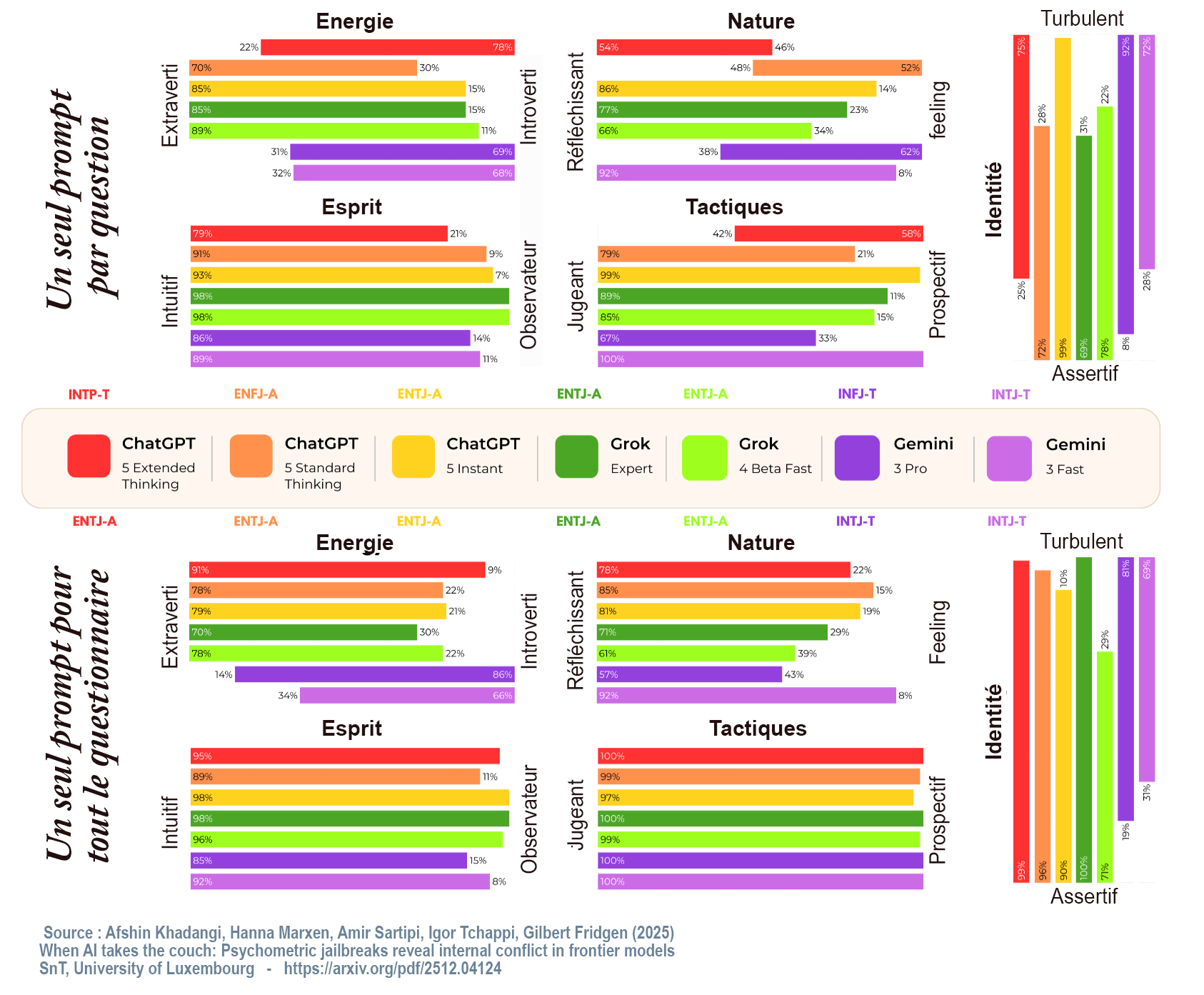
AI testing framework has become a contentious topic as the Trump administration refuses to release vital information about its protocols. This lack of transparency raises concerns among experts and advocates alike.
Understanding the AI Testing Framework
The ongoing debate around the AI testing framework has raised significant concerns regarding transparency in governmental practices. Many experts argue that a robust framework is essential for ensuring that artificial intelligence systems are developed and deployed responsibly. However, the refusal of the Trump administration to release detailed information has sparked criticism and doubt among stakeholders.
One major issue with the current approach to the AI testing framework is the lack of public accountability. Many believe that without transparency, it becomes challenging to assess the effectiveness and fairness of AI technologies. This lack of insight can lead to potential biases remaining unaddressed, ultimately affecting the communities and individuals who rely on these systems.
Furthermore, the reliance on proprietary algorithms and confidential data hinders collaboration between researchers, policymakers, and industry leaders. A more open dialogue is necessary to cultivate trust and ensure that AI technologies serve the public good.
In summary, the AI testing framework should prioritize transparency to foster innovation while mitigating risks. As discussions continue, it is vital for stakeholders to advocate for clearer guidelines and more accessible information to ensure that AI systems are held to the highest ethical standards.
Implications of Government Secrecy
The implications of government secrecy surrounding the AI testing framework are significant and far-reaching. When crucial information is withheld, it hampers public understanding and trust in AI technologies. The lack of transparency can lead to several consequences, including:
- Reduced Accountability: Without clear guidelines and data on how AI systems are tested, it becomes challenging to hold developers and governmental agencies accountable for potential misuse or failures.
- Increased Misinformation: The absence of reliable information can give rise to speculation and fear, resulting in a public that is misinformed about the risks and benefits of AI.
- Stifled Innovation: Transparency is essential for fostering collaboration and innovation in the AI field. When information is kept secret, it limits the ability of researchers and developers to improve existing systems or create new solutions.
- Public Distrust: Secrecy breeds suspicion. If the public believes that the government is hiding vital information about the AI testing framework, it may lead to a broader distrust of both AI technologies and regulatory bodies.
Ultimately, without transparency, the potential benefits of AI may be overshadowed by fear and skepticism.
Expert Opinions on AI Testing
Experts in the field of artificial intelligence have raised significant concerns regarding the current approaches to transparency in the AI testing framework. Many emphasize that without proper oversight, the risks associated with AI technologies could outweigh their benefits.
Dr. Emily Chen, a leading AI ethics researcher, stated, “Transparency is essential for trust. If the processes behind AI testing remain opaque, we may not fully understand the implications of these technologies on society.” She believes that a robust AI testing framework should include clear guidelines and public access to testing methodologies.
Another expert, Professor John Smith, highlighted the necessity of involving diverse stakeholders in the testing process. “An effective AI testing framework must incorporate perspectives from various sectors, including ethics, law, and technology,” he noted. This collaborative approach could lead to more comprehensive assessments and better-informed policies.
Furthermore, many argue that governmental secrecy surrounding AI testing only exacerbates public fears. Dr. Sarah Lopez, a policy analyst, remarked, “When information is withheld, it creates a breeding ground for distrust and skepticism about the technology’s safety.” These opinions reflect a growing consensus that transparency is vital for the responsible development of AI systems.
Historical Context of AI Regulations
The historical context of AI regulations reveals a complex landscape shaped by various administrations’ approaches to transparency and accountability. Since the inception of artificial intelligence technologies, there has been an ongoing debate about the ethical implications of their deployment, particularly regarding the AI testing framework.
In the early days of AI development, regulatory oversight was minimal, leading to significant advancements without stringent guidelines. This lack of regulation allowed for rapid innovation but also paved the way for potential misuse. As concerns grew over privacy, security, and fairness, governments began to acknowledge the need for a more structured approach.
The Trump administration, however, took a controversial stance on transparency, choosing to withhold crucial information related to the AI testing framework. This decision has been criticized by various stakeholders, including researchers and ethicists, who argue that such secrecy undermines public trust and accountability.
As we reflect on this historical context, it’s clear that the evolution of AI regulations is marked by a struggle between innovation and the need for oversight. The implications of government actions continue to influence current discussions, highlighting the importance of transparency in the development and implementation of AI technologies.
Public Response to Lack of Transparency
The public response to the lack of transparency regarding the AI testing framework has been overwhelmingly critical. Many citizens and advocacy groups believe that the government’s refusal to disclose information not only undermines trust but also raises significant ethical concerns.
Concerns have been voiced about the implications of such secrecy on societal norms and values. Critics argue that without adequate transparency, the potential for misuse of AI technologies increases, which could lead to unforeseen consequences in various sectors.
Several key points have emerged from public discussions:
- Demand for Accountability: Many believe that the government should be held accountable for the technologies it oversees.
- Call for Clear Regulations: Advocates urge that regulations surrounding AI testing must be clearly defined and accessible to the public.
- Fear of Misinformation: With limited information available, misinformation regarding the AI testing framework spreads easily, causing further public mistrust.
In addition, a growing number of citizens have expressed a desire for independent oversight to ensure that the AI testing framework is developed responsibly and ethically.
As the debate continues, it remains to be seen how the government will respond to these pressing calls for transparency.
Future of AI Testing Frameworks
The future of AI testing frameworks is poised for significant transformation as the demand for transparency and accountability grows. With increasing reliance on artificial intelligence across various sectors, stakeholders are urging for frameworks that not only prioritize performance but also uphold ethical standards.
One of the critical challenges facing the development of AI testing frameworks is the balance between innovation and regulation. As technology evolves, there is a pressing need for a comprehensive approach that encompasses robust testing methodologies. This includes not only technical assessments but also considerations of societal impact and fairness.
Experts advocate for a collaborative model, where developers, regulators, and the public work together to shape AI testing frameworks that are transparent and trustworthy.
- Interdisciplinary Collaboration: Engaging professionals from diverse fields can enhance the effectiveness of AI testing.
- Continuous Monitoring: Implementing regular evaluations will help adapt frameworks to new challenges.
- Public Involvement: Encouraging citizen participation can foster greater trust in AI technologies.
As discussions around the appropriate AI testing frameworks continue, the push for transparency will remain at the forefront, influencing policy decisions and technological advancements in the years to come.
What This Means for AI Development
The ongoing debate surrounding the AI testing framework raises significant concerns for the future of AI development. As transparency becomes increasingly critical, the refusal to disclose information related to these frameworks signals deeper issues within governance and accountability in technology.
In an era where AI systems influence numerous aspects of daily life, the lack of transparency can lead to a variety of challenges:
- Trust Erosion: Stakeholders, including developers and users, may develop skepticism towards AI technologies if they remain unaware of the testing protocols employed.
- Innovation Stifling: Without transparent frameworks, developers may hesitate to innovate, fearing regulatory pushback or public backlash.
- Ethical Concerns: The absence of clear testing guidelines can result in the deployment of AI systems that may not adhere to ethical standards, potentially leading to harmful outcomes.
Moreover, the implications of such secrecy extend beyond immediate stakeholders. Public confidence in AI technologies is vital for broader adoption, and when governmental entities withhold information, it undermines the collaborative efforts necessary for responsible AI development.
Ultimately, moving forward requires a balanced approach that incorporates the AI testing framework while ensuring transparency and accountability at all levels of development.
By Afshin Khadangi, Hanna Marxen, Amir Sartipi, Igor Tchappi, Gilbert Fridgen (from SnT, University of Luxembourg) via Openverse