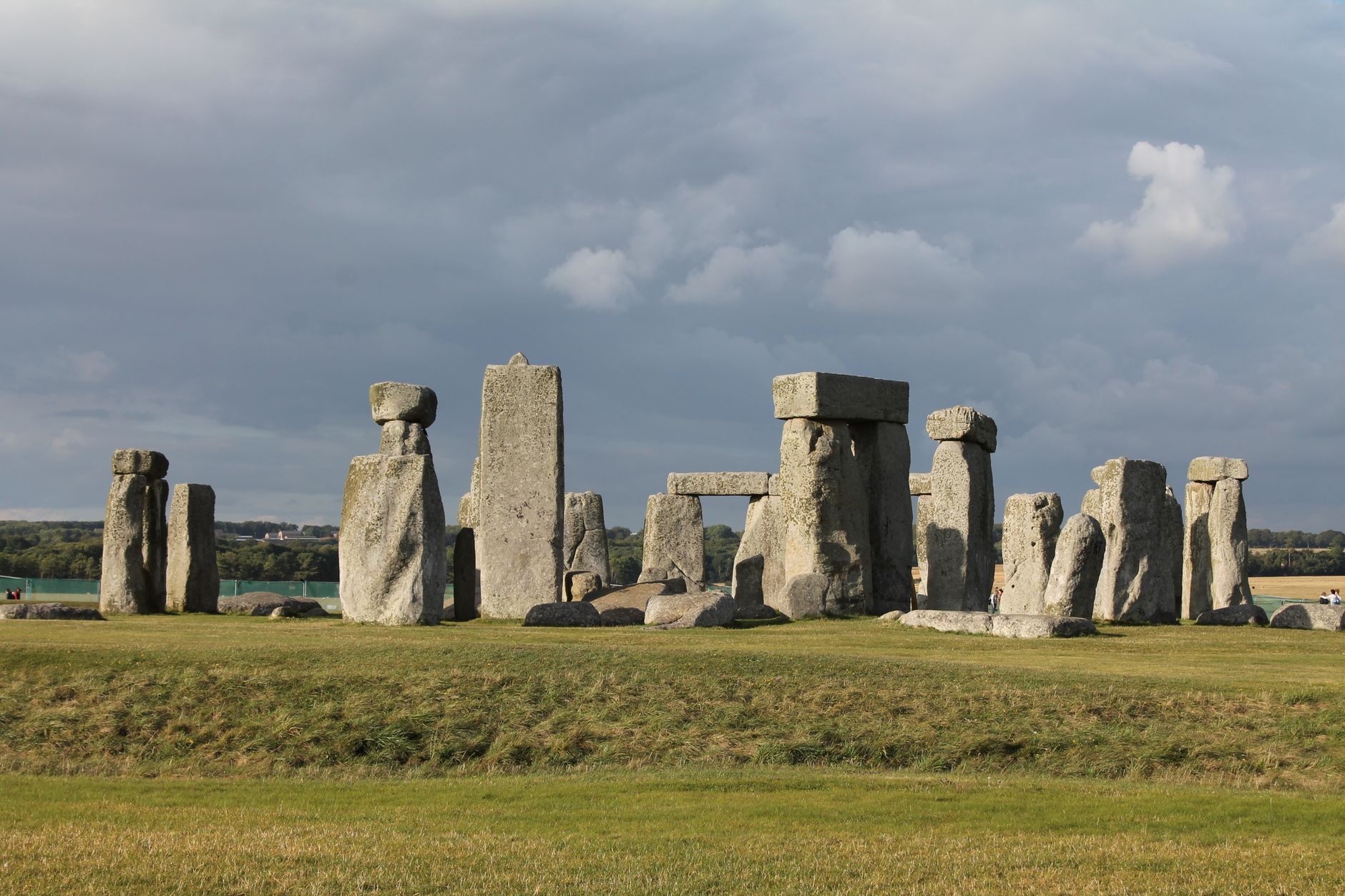
Stonehenge Altar Stone remains a mystery as geologists discuss its lack of a permanent home. This ancient artifact’s significance is still debated among experts.
The Mystery of the Altar Stone
The Stonehenge Altar Stone has long been a subject of intrigue, captivating both researchers and the public alike. Despite extensive studies, the origins of this enigmatic stone remain shrouded in mystery. Geologists have noted that the Altar Stone, unlike its surrounding bluestones, is composed of a different material, raising questions about its journey to the site.
Experts have proposed various theories regarding its provenance. Some suggest that the Altar Stone originated from the Old Red Sandstone formations found in the Brecon Beacons of Wales, while others believe it could have traveled from even further afield. This discrepancy in geology makes pinpointing its exact source challenging.
Moreover, the lack of a definitive home for the Altar Stone emphasizes its unique status within the Stonehenge complex. Despite ongoing investigations, geologists agree that the search for its origins continues to be a real challenge. The Altar Stone not only serves as a physical artifact but also as a symbol of the enduring mysteries surrounding ancient monuments.
As researchers delve deeper into this ancient puzzle, the hope remains that more discoveries will shed light on the significance of the Stonehenge Altar Stone.
Geologists Weigh In on Its Significance
Geologists are increasingly interested in the Stonehenge Altar Stone, particularly its geological significance. As experts analyze the unique characteristics of this ancient artifact, they highlight its role in understanding the broader landscape of prehistoric Britain. The Altar Stone, believed to have been transported from a location in Wales, presents intriguing questions about the logistics of its movement and the cultural practices of the time.
According to Dr. Emily Turner, a leading geologist in the study of Stonehenge, the Altar Stone is not just a remarkable piece of history; it also offers insights into ancient human behavior. She states, “The selection and transportation of such a heavy stone demonstrate the importance of this site to the people who built it.”
Geologists are employing various techniques to trace the origins of the Altar Stone. These methods include:
- Geochemical analysis to identify unique mineral compositions.
- Petrographic studies to examine the stone’s physical structure.
- Comparative studies with other stones found in the region.
As research continues, the significance of the Stonehenge Altar Stone may become clearer, potentially reshaping our understanding of this iconic monument.
Current Status of Stonehenge
The current status of the Stonehenge Altar Stone remains a topic of intrigue and debate among historians and archaeologists. Despite extensive research, the exact origins and original placement of the Altar Stone continue to elude experts. Recent studies have suggested that this unique stone, known for its distinctive characteristics, played a crucial role in the rituals conducted at Stonehenge.
Geologists have emphasized the importance of understanding the stone’s geological composition, which may provide clues about its journey to the iconic site. According to recent findings, the Altar Stone is primarily composed of purple sandstone, a material that is not locally sourced, raising questions about how it was transported to its current location.
Efforts to relocate the Altar Stone to a more suitable environment have been met with skepticism. Many believe that moving it could compromise its historical integrity. As discussions continue, various experts are calling for further investigations to determine the best course of action for the Stonehenge Altar Stone.
- Continued research into its origins
- Debates on preservation methods
- Geological studies ongoing
Historical Context of the Altar Stone
The Stonehenge Altar Stone has long captivated historians and archaeologists alike, not just for its physical characteristics but also for its enigmatic origins and intended placement within the ancient monument. Dating back to the Neolithic period, this stone is believed to have been part of the original structure of Stonehenge, yet its precise location remains a subject of debate.
Historically, the Altar Stone was thought to play a crucial role in ceremonial practices, potentially serving as a sacrificial platform or a gathering point for rituals. However, as excavations progressed, its whereabouts have become increasingly obscure. Theories suggest that the stone may have been displaced or repurposed over the centuries, contributing to the ongoing mystery surrounding its role.
Recent studies highlight the geological significance of the Altar Stone, emphasizing its unique composition and connection to the broader landscape of the region. This has further fueled interest in understanding why it was chosen for Stonehenge and what it symbolizes in the context of ancient beliefs. As researchers continue to investigate, the Altar Stone’s placement and significance remain an intriguing puzzle in the story of this iconic site.
Future Prospects for the Artifact
As discussions surrounding the Stonehenge Altar Stone continue, experts are contemplating the future prospects for this significant artifact. The Altar Stone, believed to have played a crucial role in the rituals of ancient peoples, remains without a definitive home, raising questions about its preservation and display.
Geologists and archaeologists are urging for a collaborative approach to ensure that the Altar Stone is not only preserved but also appreciated in its historical context. Some propose a dedicated exhibit that would allow visitors to engage with its story, while others emphasize the importance of keeping it close to its original site at Stonehenge.
Key considerations for the future include:
- Conservation Efforts: Ensuring the durability of the stone to withstand environmental factors.
- Public Engagement: Creating informative resources for visitors to understand its significance.
- Research Opportunities: Continuing studies to uncover more about the Altar Stone’s origin and use.
Ultimately, finding a suitable and respectful home for the Stonehenge Altar Stone remains a pressing challenge that requires thoughtful dialogue among stakeholders.
Public Interest in Ancient Sites
The allure of ancient sites like Stonehenge continues to captivate the public, drawing millions of visitors each year. Among these historical treasures, the Stonehenge Altar Stone stands out as a focal point of intrigue and debate. Many enthusiasts and researchers are eager to uncover the secrets surrounding this artifact, which has not yet found a permanent home.
Interest in the Altar Stone is fueled by its enigmatic origins and the potential insights it may offer into prehistoric life. As discussions around its significance evolve, more people are becoming aware of the challenges associated with preserving and displaying such a vital piece of history. The ongoing quest to determine the Altar Stone’s rightful place reflects a broader appreciation for cultural heritage.
Social media platforms and documentaries have played a significant role in raising awareness about Stonehenge and its components, including the Altar Stone. Public events and educational programs aim to engage the community, fostering a deeper understanding of the importance of protecting these ancient sites for future generations. As interest grows, the hope is that the Altar Stone will eventually be honored with a suitable location that respects its historical legacy.
Photo by Kris Schulze on Pexels



One thought on “Stonehenge Altar Stone: The Real Challenge of Finding Its Home”