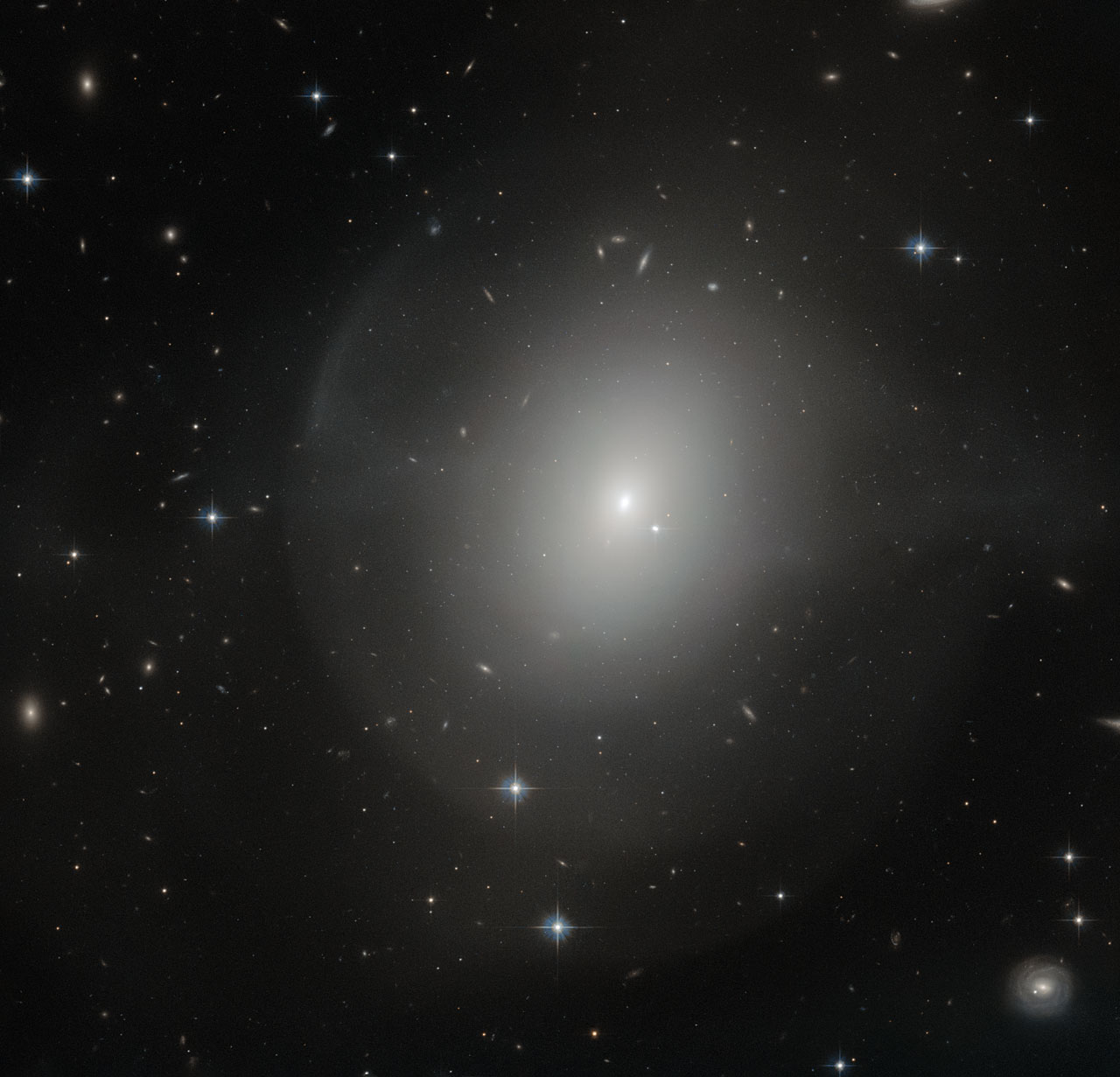
metal-rich gas Milky Way has been unveiled by the Webb telescope, offering new insights into the region surrounding our galaxy’s central black hole. This discovery sheds light on the complex interactions within this dynamic area.
New Discoveries from Webb Telescope
Recent observations from the James Webb Space Telescope have unveiled remarkable information about the metal-rich gas surrounding the Milky Way’s central black hole. This groundbreaking research highlights the complex interplay between black holes and the gas that encircles them, offering valuable insights into the formation and evolution of galaxies.
The findings suggest that the gas near the black hole is not only abundant in metals but also plays a crucial role in the dynamics of the Milky Way. Researchers have identified several key characteristics of this metal-rich gas:
- Composition: The gas contains elements such as iron and oxygen, indicating processes like star formation and supernova explosions that enrich the surrounding environment.
- Movement: The gas exhibits distinct patterns of motion, which may help scientists understand how it interacts with the gravitational forces of the black hole.
- Temperature: The high temperatures of the gas suggest it is influenced by the intense energy emitted from the black hole.
These discoveries not only expand our understanding of the metal-rich gas in the Milky Way but also provide a glimpse into the broader mechanisms at play in the universe. As researchers continue to study these findings, they look forward to uncovering more secrets about the cosmic environment surrounding our galaxy’s center.
Understanding Black Holes
Black holes, once considered mere theoretical constructs, have become powerful tools for understanding the cosmos. They are regions in space where gravitational forces are so intense that nothing, not even light, can escape. The study of black holes has revealed much about their environments, particularly in the Milky Way, where researchers have recently focused on the presence of metal-rich gas.
Observations have shown that the gas surrounding the Milky Way’s central black hole contains a wealth of metals, including elements like iron and magnesium. This finding is significant for several reasons:
- Galactic Evolution: The presence of metal-rich gas suggests that the Milky Way has undergone extensive star formation, leading to the creation of heavier elements. These metals indicate a rich history of stellar processes.
- Black Hole Growth: The inflow of metal-rich gas can influence the growth of the central black hole, impacting its mass and the dynamics of the surrounding stellar population.
- Understanding Galaxy Formation: The study of black holes and their interactions with metal-rich gas helps astronomers understand the formation and evolution of galaxies.
As scientists continue to explore these cosmic phenomena, the insights gained from the Milky Way’s black hole and its metal-rich gas could illuminate the mysteries of the universe.
The Role of Metal-rich Gas
The discovery of metal-rich gas in the Milky Way has significant implications for our understanding of the universe’s dynamics, particularly around black holes. Recent observations reveal that this gas is not only abundant but also plays a crucial role in the formation and evolution of stars within our galaxy.
This metal-rich environment has been linked to various astrophysical processes, including:
- Star Formation: The presence of metals, such as carbon and iron, is essential for the cooling of gas clouds, allowing them to collapse and form new stars. This cycle contributes to the overall growth of the galaxy.
- Black Hole Growth: The accumulation of metal-rich gas near the central black hole can fuel its growth, potentially leading to more active galactic nuclei.
- Galaxy Interactions: Metal-rich gas can also be exchanged between galaxies during interactions, influencing their evolution and star formation rates.
As researchers continue to study the metal-rich gas surrounding the Milky Way’s central black hole, they hope to uncover more about its role in shaping the properties of the galaxy. These findings not only enhance our knowledge of galactic evolution but also offer insights into the fundamental processes that govern the cosmos.
Implications for Galactic Evolution
The recent findings regarding the presence of metal-rich gas in the Milky Way have significant implications for our understanding of galactic evolution. These discoveries, unveiled by the Webb Telescope, suggest that the gas surrounding the central black hole plays a crucial role in the development and evolution of the galaxy.
Researchers have identified that this metal-rich gas contributes to the processes of star formation and the overall chemical enrichment of the galaxy. As stars form from this gas, they produce heavier elements that are later distributed throughout the galaxy when they explode as supernovae. This cycle of star formation and death enriches the interstellar medium, influencing the next generation of stars and planetary systems.
Additionally, the presence of metal-rich gas around the central black hole may help explain the dynamics of the Milky Way’s core. It is believed that the interaction between this gas and the black hole could regulate the growth of the black hole itself, affecting the structure and stability of the surrounding stars and gas clouds.
In summary, the study of metal-rich gas in the Milky Way not only enhances our knowledge of the galaxy’s current state but also sheds light on the historical processes that have shaped its evolution over billions of years.
Recent Advances in Astronomy
Recent advancements in astronomy have provided unprecedented insights into the cosmos, particularly regarding the metal-rich gas Milky Way. Researchers have utilized cutting-edge technology to analyze the composition of gas surrounding the central black hole of our galaxy, revealing its crucial role in galactic dynamics.
The findings, primarily derived from data collected by the Webb Telescope, indicate that this metal-rich gas is not only abundant but also plays a significant part in the formation and evolution of stars. It serves as a vital resource for star formation, influencing the lifecycle of celestial bodies within the Milky Way.
Among the notable developments are:
- Enhanced Spectroscopy: Advanced spectroscopic techniques have allowed astronomers to identify the specific elements contained within the gas, shedding light on its origins and potential interactions.
- Dynamic Models: New theoretical models have been proposed to explain how this gas interacts with the black hole, suggesting complex feedback mechanisms that could affect star formation rates.
- Broader Implications: The implications of understanding metal-rich gas go beyond the Milky Way, providing a framework for studying other galaxies and their central black holes.
Overall, these recent advances mark a significant leap in our understanding of the universe and the intricate relationships between its components.
Future Research Directions
As researchers continue to unravel the mysteries surrounding the Milky Way’s central black hole, several future research directions have emerged. These avenues aim to deepen our understanding of the metal-rich gas that surrounds this colossal cosmic entity and its implications for galactic formation and evolution.
One promising area of study is the analysis of the dynamics of metal-rich gas in relation to black hole accretion processes. By observing how this gas interacts with the black hole, scientists hope to gain insights into the mechanisms that drive growth and energy output in these enigmatic regions.
Additionally, further investigation into the sources of metal-rich gas is crucial. Understanding whether this gas is the result of stellar winds, supernovae, or other cosmic events will provide valuable context for its role in shaping the Milky Way’s evolution.
Another key direction is the exploration of the connection between metal-rich gas and star formation rates within the galaxy. Determining how these gas reservoirs influence star formation could reveal fundamental processes that govern galactic life cycles.
Lastly, international collaborations using advanced telescopes and observational technologies will enhance our ability to study these phenomena. Continued interdisciplinary efforts will be vital in piecing together the intricate puzzle of the Milky Way and its metal-rich gas.
The recent discoveries surrounding the black hole at the center of our galaxy highlight the role of metal-rich gas Milky Way in shaping stellar formation. Scientists believe that this metal-rich gas Milky Way could provide crucial insights into the evolution of galaxies over time.
By ESA/Hubble & NASA Acknowledgement: Judy Schmidt via Openverse
Read the original
Related stories
Raffle Licenses Wisconsin: The Simple Guide to Sweepstakes · USD/CAD rebound: Is it the right time to invest? · Torres Game Ownership Bill: The Right Step for Gamers


One thought on “Metal-rich gas Milky Way: Proven findings around black hole”