
Precision landing demonstrations are essential for lunar lander companies. These innovative techniques are being developed to enhance landing accuracy on the Moon’s surface.
What are Precision Landing Demonstrations?
Precision landing demonstrations refer to a series of advanced techniques and tests conducted to ensure the accurate landing of spacecraft on celestial bodies, such as the Moon or Mars. These demonstrations are crucial for lunar lander companies aiming to improve their landing technology and ensure mission success.
In essence, precision landing involves the ability to land a spacecraft within a predetermined target area, minimizing risk and enhancing the safety of both the vehicle and its potential payload. The process typically includes several key components:
- Guidance Systems: Utilizing sophisticated algorithms to calculate optimal landing trajectories.
- Sensors: Employing advanced sensors to detect the surrounding environment and adjust landing approaches in real time.
- Simulation: Conducting extensive simulations to predict and refine landing performance under various conditions.
- Test Flights: Executing real-world test flights to validate techniques and technologies before actual missions.
By mastering these techniques through precision landing demonstrations, companies can significantly enhance their credibility and capability, paving the way for future exploration and potential colonization efforts beyond Earth.
Importance of Precision in Lunar Missions
The significance of precision in lunar missions cannot be overstated. As space agencies and private companies set their sights on returning to the Moon, the ability to land accurately on the lunar surface is crucial for mission success.
Precision landing demonstrations are essential for testing and validating landing technologies that ensure spacecraft can reach their intended targets safely. These techniques not only reduce the risk of mission failure but also enhance the potential for scientific exploration and resource utilization.
Key factors that highlight the importance of precision in lunar missions include:
- Safety: Accurate landings minimize the chance of crashing into hazardous terrain, which could jeopardize equipment and personnel.
- Cost-effectiveness: Successful precision landing demonstrations can lead to fewer resources spent on re-launches or repairs.
- Scientific value: Targeted landings enable missions to focus on areas of high interest, maximizing the potential for discoveries.
- Technology advancement: Demonstrating precision landing techniques paves the way for future missions, including crewed lunar explorations.
In conclusion, precision landing demonstrations play a pivotal role in ensuring the success of lunar missions, thereby advancing our understanding of the Moon and beyond.
Key Companies Involved in Lunar Landing
The field of lunar exploration has attracted various companies dedicated to advancing precision landing demonstrations. These demonstrations are crucial for ensuring the success of future lunar missions. Several key players in the industry are leading the charge in developing and showcasing their technologies.
- SpaceX: Known for its innovative approach, SpaceX is focusing on precision landing techniques with its Starship program. The company aims to demonstrate reliable landing capabilities on the Moon.
- Blue Origin: With its lunar lander project, Blue Origin is working on precision landing systems that will allow for accurate landings in challenging environments.
- Astrobotic Technology: This company is pioneering lunar delivery missions and is heavily invested in precision landing demonstrations to ensure payload safety.
- Intuitive Machines: Their lunar lander program includes advanced navigation technologies designed for high-precision landings on the lunar surface.
- NASA: As a major player, NASA collaborates with various companies to test and refine precision landing techniques as part of its Artemis program.
These companies represent a significant shift towards achieving successful lunar landings through innovative precision landing demonstrations.
Technologies Behind Precision Landings
The success of precision landing demonstrations relies heavily on the integration of advanced technologies. These innovations not only enhance the accuracy of landings but also ensure the safety and reliability of lunar missions.
- Navigation Systems: High-precision GPS and inertial navigation systems play a crucial role in determining the spacecraft’s position and velocity in real-time.
- Sensor Fusion: By combining data from various sensors, such as LiDAR and cameras, landers can create a detailed map of the landing area, enabling better decision-making during descent.
- Autonomous Landing Algorithms: These algorithms process the sensor data swiftly to make adjustments to the landing trajectory, allowing for more precise control over the descent.
- Real-time Data Processing: The ability to analyze data on-the-fly is vital for correcting any deviations from the planned landing path.
- Simulation Technologies: Robust simulation environments help engineers test and refine landing techniques before actual missions, further increasing the chances of successful precision landing demonstrations.
As these technologies continue to evolve, they promise to enhance the capabilities of lunar landers, paving the way for more ambitious exploration missions.
Challenges Facing Lunar Landers
As lunar landers prepare for precision landing demonstrations, several challenges present themselves that could impact the success of these missions. One of the primary difficulties is the unpredictable lunar environment, characterized by varying terrain and potential obstacles such as craters and rocks.
Additionally, the lunar dust poses significant risks. This fine, abrasive material can interfere with landing systems and can obscure sensors, making it challenging to achieve accurate landings. Engineers must develop robust technologies to mitigate these risks.
Another challenge is the requirement for precise navigation and guidance systems. Unlike Earth, where GPS is readily available, lunar landers must rely on onboard systems that must be exceptionally accurate in both horizontal and vertical positioning. Implementing advanced algorithms and real-time data processing is crucial for successful precision landing demonstrations.
Furthermore, the need for reliable communication between the lander and mission control adds another layer of complexity. Any disruption in communication could lead to delays in decision-making, potentially jeopardizing the landing sequence.
Overcoming these challenges is essential for the future of lunar exploration, making precision landing demonstrations a crucial step in ensuring the success of upcoming missions.
Future of Lunar Exploration and Landings
The future of lunar exploration is poised to be revolutionized by advancements in precision landing demonstrations. As space agencies and private companies prepare for more complex missions, the need for accurate landing techniques becomes paramount. These techniques not only ensure the safety of payloads but also enhance the potential for scientific research on the lunar surface.
Upcoming missions aim to refine the capabilities of landers through rigorous testing and validation of precision landing systems. The incorporation of advanced sensors and navigation technologies will play a critical role in achieving high-accuracy landings. In particular, the integration of machine learning algorithms is expected to improve real-time decision-making during descent.
Additionally, international collaborations are on the rise, with various nations sharing knowledge and resources to enhance their lunar exploration efforts. This collaborative approach is likely to accelerate the development of innovative landing techniques that can adapt to diverse lunar environments.
As the landscape of lunar exploration evolves, precision landing demonstrations will become an essential component of mission planning. The success of these demonstrations will pave the way for future lunar bases, mining operations, and extensive scientific investigations, marking a new era in humanity’s journey to the Moon.
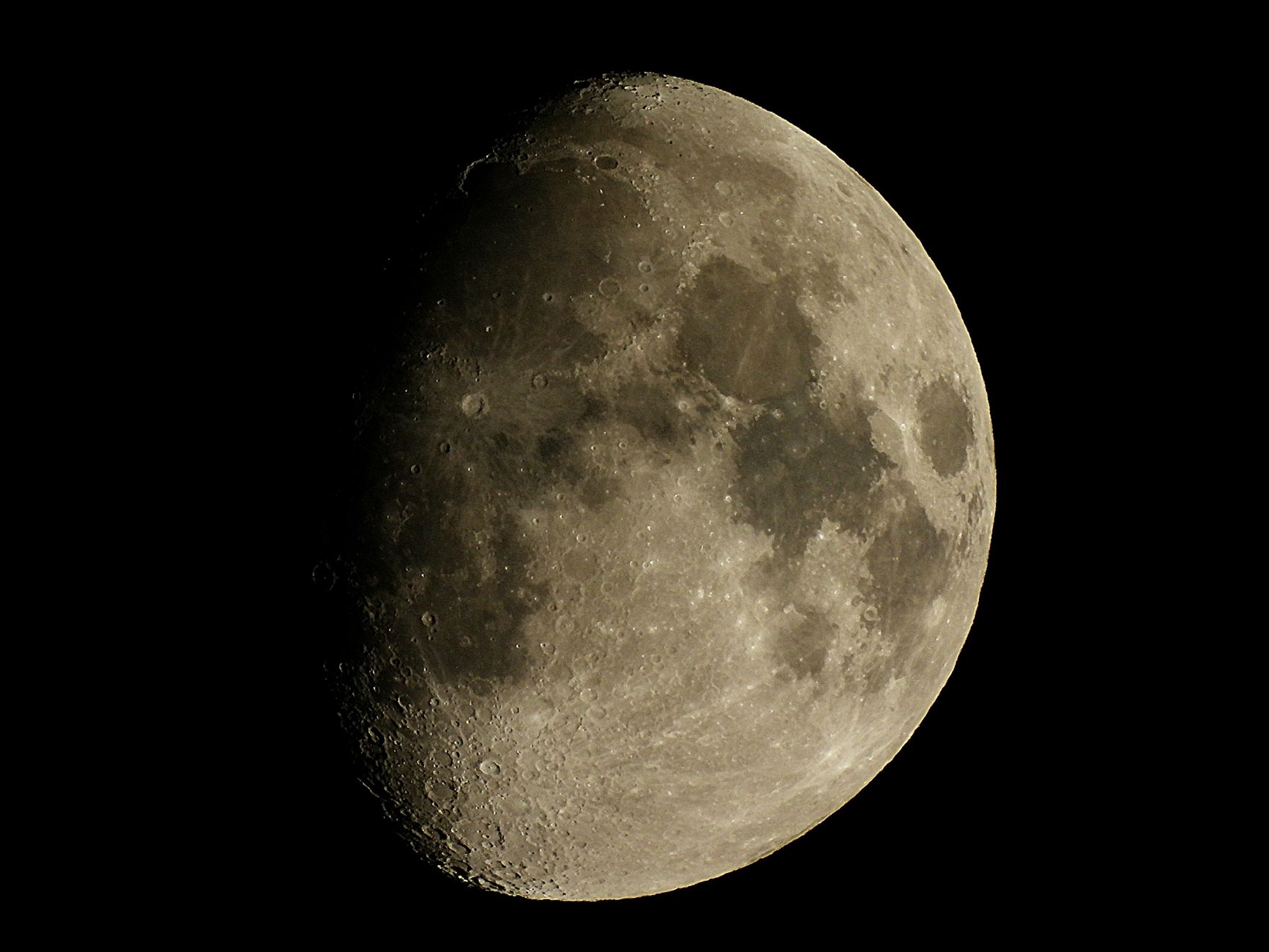
Photo by Soly Moses on Pexels

One thought on “Precision landing demonstrations: The Best Proven Techniques”