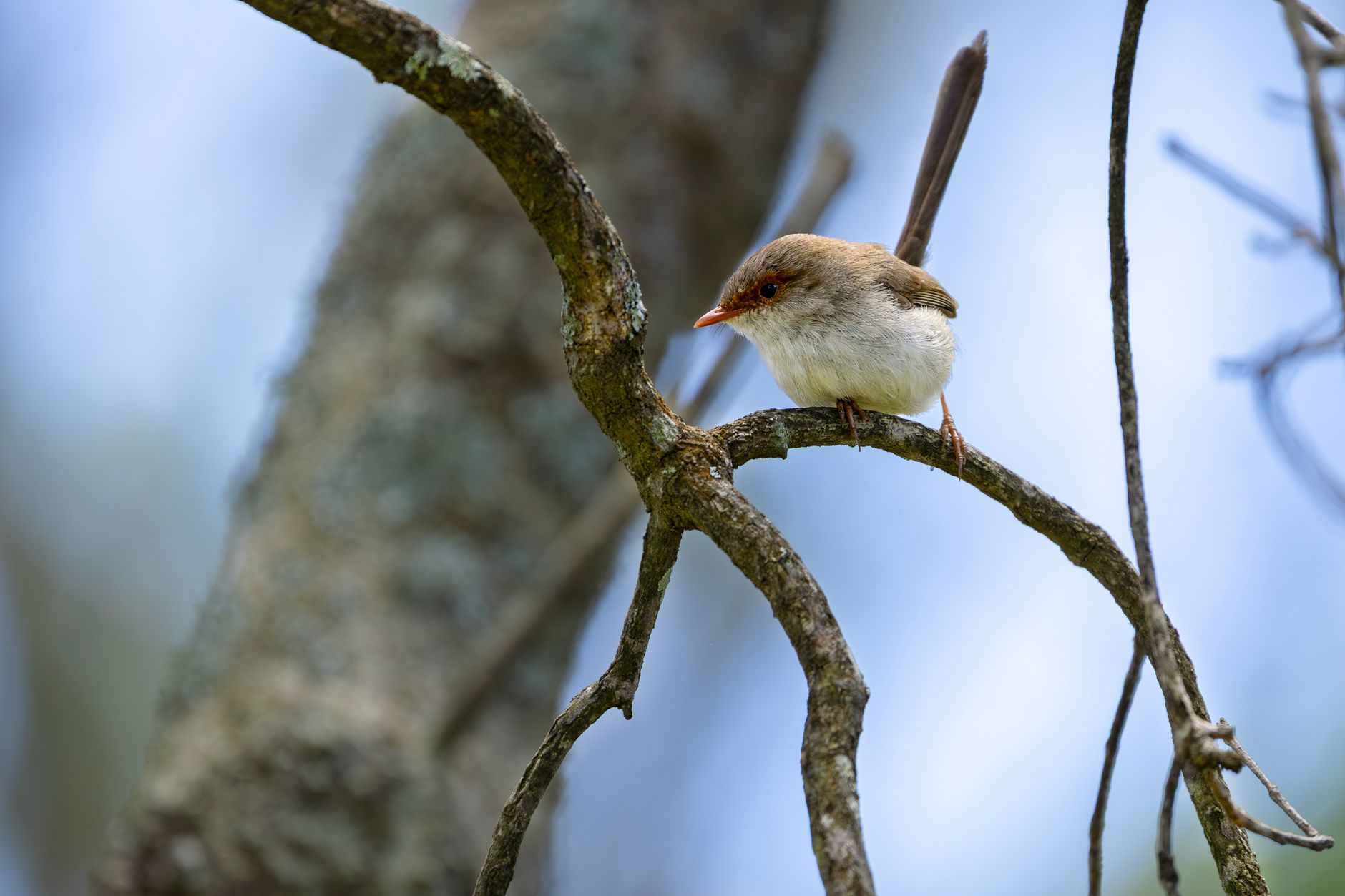
Australian fairywrens are captivating creatures found in Australia, known for their vibrant plumage and intricate social behaviors. This article explores their tiny world through stunning photography.
Introduction to Australian Fairywrens
Australian fairywrens are a group of small, vibrant birds native to the diverse landscapes of Australia. Known for their striking plumage and lively personalities, these birds capture the attention of birdwatchers and nature enthusiasts alike. Their size, typically measuring around 10 to 15 centimeters in length, makes them one of the smaller bird species found in Australia.
One of the most fascinating aspects of Australian fairywrens is their sexual dimorphism, where males and females exhibit distinct differences in coloration. Males often flaunt bright blue or green feathers during the breeding season, while females tend to have more subdued tones, helping them stay camouflaged in their natural habitats.
These birds are not just visually appealing; they also exhibit intriguing social behaviors. Australian fairywrens are known for their complex social structures, often forming cooperative breeding groups. Within these groups, non-breeding individuals assist in raising the young, showcasing a unique aspect of their parental care.
Additionally, Australian fairywrens are known for their melodious calls, which serve various purposes, from attracting mates to signaling alarms. Their adaptability to different environments, ranging from grasslands to woodlands, further highlights their resilience as a bird species.
Overall, the combination of their beauty, social complexity, and adaptability makes Australian fairywrens a remarkable subject for study and appreciation.
Unique Features of Fairywrens
Australian fairywrens are known for their striking colors and unique behaviors that make them stand out among bird species. One of the most notable features is their vibrant plumage, particularly in males during the breeding season. These birds exhibit a stunning array of colors, including bright blues, greens, and even shades of violet, which serve to attract potential mates.
Another remarkable aspect of Australian fairywrens is their complex social structures. They often live in small groups called “fams,” which consist of a dominant male, several females, and sometimes subordinate males. This social arrangement allows for cooperative breeding, where non-breeding males help care for the young, ensuring a higher survival rate for the chicks.
In addition to their colorful appearance and social dynamics, these birds are also known for their distinctive calls and songs. Their melodious tunes vary widely and serve various purposes, from attracting mates to signaling danger. Their vocalizations are a key part of their communication and play a crucial role in their social interactions.
Overall, Australian fairywrens are not only visually captivating but also exhibit fascinating behavioral traits that make them one of the best bird species to observe and study. Their unique features contribute to their charm and allure, endearing them to birdwatchers and nature enthusiasts alike.
Habitat and Distribution
Australian fairywrens are small, vibrant birds that can be found across a diverse range of habitats throughout Australia. They thrive in various environments, including:
- Woodlands: These birds often inhabit open woodlands, where they can flit between low shrubs and grasses.
- Grasslands: Fairywrens are commonly seen in grassy areas, where they forage for insects and seeds.
- Wetlands: Many species of fairywrens are associated with wetland regions, utilizing dense vegetation for cover and nesting.
Fairywrens prefer areas with plenty of undergrowth, which provides essential shelter from predators and a rich source of food. They are particularly sensitive to habitat changes, making them good indicators of ecological health.
In Australia, fairywrens can be found from the coastal regions to the arid outback, showcasing their adaptability to different climates. Some species, like the Superb Fairywren, are widespread, while others have more limited distributions. Conservation efforts are crucial to protect their habitats, especially as urban development encroaches on their natural environments. With their striking plumage and lively behavior, Australian fairywrens not only fascinate birdwatchers but also play a vital role in maintaining the ecological balance within their respective habitats.
Social Behavior of Fairywrens
Australian fairywrens exhibit a fascinating array of social behaviors that contribute to their charm and appeal. These small birds are often seen in pairs or small groups, which enhances their social interactions and communal living. One of the most notable aspects of their social structure is the formation of mixed-species flocks, where fairywrens may associate with other bird species for foraging and protection.
Within their groups, fairywrens display a range of cooperative behaviors. For instance, they often engage in mutual preening, which helps strengthen social bonds among individuals. This behavior not only promotes cleanliness but also reinforces social cohesion within the group.
Fairywrens are known for their elaborate courtship displays, particularly during the breeding season. Males will often showcase their vibrant plumage and perform intricate dances to attract females. This display of vivid colors and energetic movements is not only a mating ritual but also serves to establish dominance within social hierarchies.
- Cooperative breeding: Some species of fairywrens practice cooperative breeding, where non-breeding individuals help care for the young.
- Vocal communication: They are highly vocal, using various calls to communicate with group members.
- Territorial behavior: Males may defend their territory fiercely, especially during the breeding season.
These social behaviors make Australian fairywrens not only intriguing to observe but also vital to their survival in diverse environments.
Conservation Status of Fairywrens
The conservation status of Australian fairywrens has garnered attention due to their declining populations in certain areas. These vibrant birds are not only a joy to observe but also play a crucial role in their ecosystems. Unfortunately, habitat loss and environmental changes have posed significant threats to their survival.
According to recent studies, several species of Australian fairywrens are experiencing pressures from:
- Habitat destruction: Urbanization, agriculture, and deforestation have diminished the natural habitats necessary for their breeding and feeding.
- Climate change: Altered weather patterns affect their food sources and breeding cycles, leading to decreased reproductive success.
- Predation: Introduced species, such as cats and foxes, pose a significant risk to the small, ground-nesting fairywrens.
Conservation efforts are underway to protect these remarkable birds. Initiatives include:
- Habitat restoration: Programs aimed at restoring native vegetation and creating safe breeding environments.
- Public awareness campaigns: Educating communities about the importance of protecting fairywrens and their habitats.
- Research and monitoring: Ongoing studies to track population trends and the effectiveness of conservation measures.
By focusing on these efforts, there is hope for the future of Australian fairywrens and the preservation of their unique ecological role.
Photographic Journey of Fairywrens
The journey of capturing the beauty of Australian fairywrens through photography reveals not only their vivid colors but also their captivating behaviors. These small birds, often seen flitting through the underbrush, exhibit a range of stunning shades that make them a favorite among wildlife photographers.
One of the most enchanting aspects of photographing fairywrens is their iridescent plumage. The male fairywrens, particularly during the breeding season, display brilliant blues and greens that shimmer in the sunlight. This makes for striking images, especially when they are perched amid lush vegetation.
Photographers often find themselves captivated by the fairywrens’ social interactions. Observing their complex behaviors, such as courtship displays and playful chases, provides endless opportunities for dynamic shots. The contrast between their vivid feathers and the natural backdrop creates a visual feast for anyone behind the lens.
Additionally, capturing the fairywrens in their native habitats—such as wetlands, woodlands, and open scrub—adds depth to the photographic story. Often, these settings can amplify the beauty of the birds, showcasing how they merge with their environment.
In conclusion, the photographic journey of Australian fairywrens not only highlights their aesthetic appeal but also sheds light on their intriguing lives, making every click of the camera a treasure in the world of avian photography.
Interesting Facts About Fairywrens
Australian fairywrens are not only captivating in appearance but also boast a variety of fascinating traits that set them apart from other bird species. Here are some interesting facts about these delightful birds:
- Size and Appearance: Australian fairywrens are among the smallest birds in the world, with most species measuring only about 10 to 12 centimeters in length. Their vibrant plumage, particularly in males, is a stunning display of colors that shifts with the light.
- Vocalization: These birds are known for their melodious songs, which they use to communicate with one another. Their calls are not only beautiful but also complex, often varying greatly among different species.
- Breeding Behavior: Male fairywrens exhibit fascinating courtship rituals, often showcasing their colorful feathers to attract females. Interestingly, they are also known to engage in cooperative breeding, where other birds assist in raising the young.
- Diet: Australian fairywrens primarily feed on insects and seeds, showcasing their adaptability to different environments. They are often seen foraging in low shrubs and grasses.
- Unique Adaptations: Many species of fairywrens have unique adaptations, such as a habit of flicking their tails to attract attention or distract predators.
These remarkable features contribute to the charm of Australian fairywrens, making them a favorite among birdwatchers and nature enthusiasts alike.
How to Spot Fairywrens in the Wild
Spotting Australian fairywrens in the wild can be an enchanting experience for birdwatchers and nature enthusiasts alike. These small, colorful birds are often elusive, but with the right approach, you can increase your chances of an encounter.
To effectively spot fairywrens, consider the following tips:
- Choose the Right Time: Early mornings or late afternoons are ideal for birdwatching, as fairywrens are most active during these times.
- Know Their Habitat: Look for them in open woodlands, scrublands, and grasslands, particularly near water sources. They often prefer dense shrubs for cover.
- Be Patient: Fairywrens can be skittish. Stay quiet and still, allowing them to come to you. Use binoculars for a better view without disturbing them.
- Listen for Their Calls: Familiarize yourself with their distinct calls, which can help locate them in thick vegetation.
- Use Appropriate Gear: Dress in muted colors to blend into the environment and avoid startling the birds. A field guide can also be useful for identification.
By following these tips, you can enhance your chances of spotting the vibrant Australian fairywrens, making for a memorable birdwatching adventure.
Photo by Stuart Robinson on Pexels
References
The Guardian · Australian fairywren
You might also like
VC Funding Shifts: The Smart Way to Navigate Changes · New iPad Mini: The Best Features You Need to Know · Stonehenge Altar Stone: The Real Challenge of Finding Its Home



One thought on “Australian fairywrens: What Makes Them the Best Bird Species?”