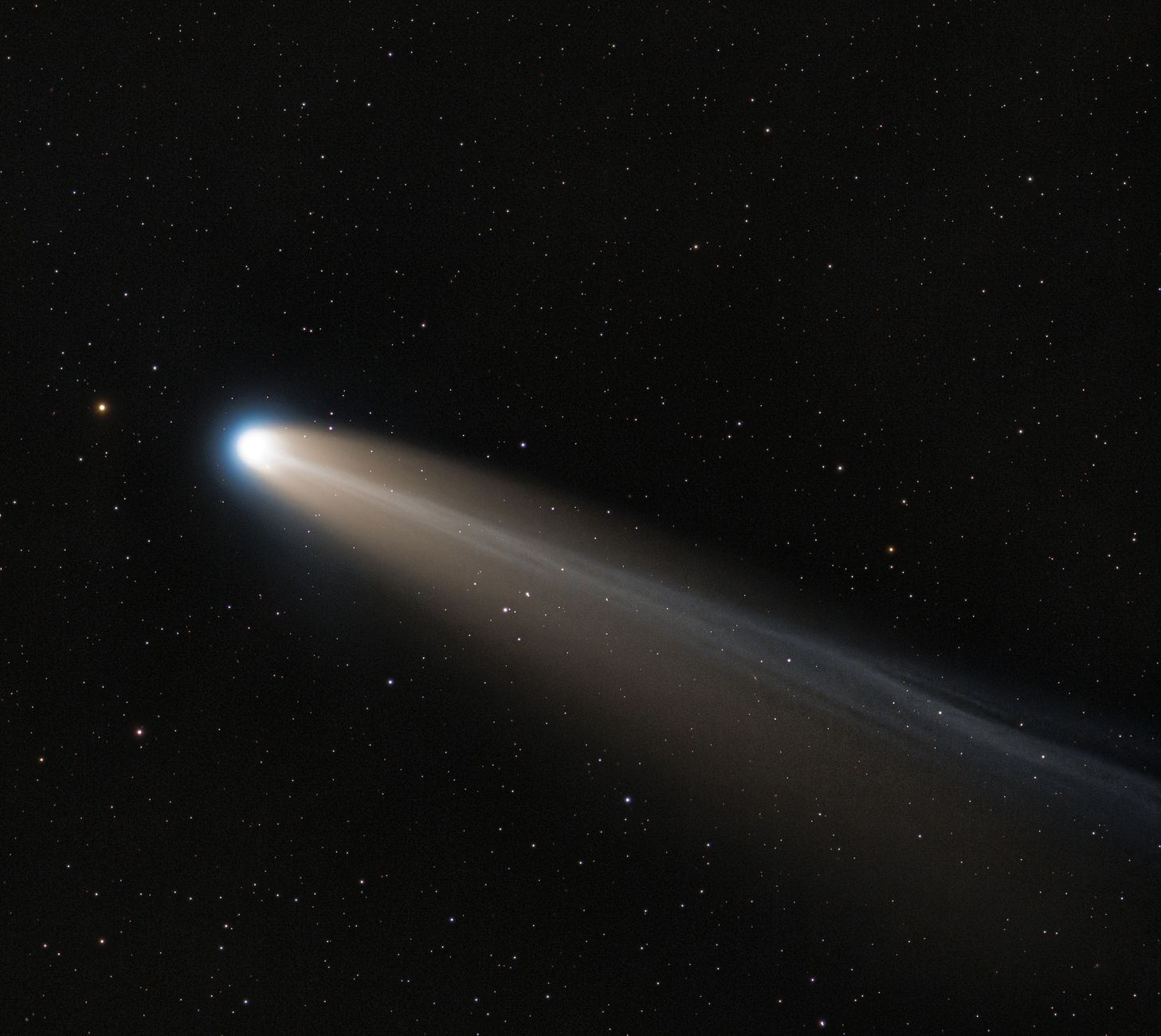
1998 KY26 comet has sparked debate among scientists about its true nature. Is it a dark comet or the Phobos 1 spacecraft? This article explores the fascinating details surrounding this celestial object.
What is 1998 KY26?
The 1998 KY26 comet is a fascinating celestial object that has garnered attention from astronomers and space enthusiasts alike. Discovered in May 1998, it is classified as a near-Earth asteroid and is part of the Apollo group of asteroids. What makes 1998 KY26 particularly intriguing is its unique characteristics, which may hint at its origins and composition.
This small asteroid measures approximately 30 meters in diameter, making it one of the smaller objects in its category. Its surface is thought to be composed of dark material, leading to discussions about whether it should be considered a dark comet or simply an asteroid. The distinction between these classifications is crucial for understanding its behavior and potential for future encounters with Earth.
Observations of 1998 KY26 suggest that it exhibits a relatively low albedo, meaning it reflects less sunlight compared to brighter celestial bodies. This property has raised questions about its composition and whether it contains icy components typical of comets. The ongoing study of 1998 KY26 could provide insights into the early solar system and the formation of similar objects.
Theories about Dark Comets
Theories surrounding dark comets like the 1998 KY26 comet have intrigued scientists and astronomers alike. Dark comets are believed to possess unique characteristics that differentiate them from traditional comets, primarily due to their low reflectivity and potential for a different composition.
One prevailing theory suggests that dark comets could be remnants from the early solar system, containing primordial materials that have not undergone significant alteration. This notion posits that 1998 KY26 may hold clues about the conditions and processes that existed during the formation of our solar system.
Another hypothesis revolves around the possibility that dark comets are ice-rich bodies covered in a thick layer of organic compounds. This could explain their low brightness and the difficulty in detecting them. As these comets approach the Sun, they may become more active, shedding material and revealing their true nature.
Furthermore, some researchers speculate that dark comets might be associated with specific types of asteroids, suggesting a link between these two celestial phenomena. Understanding the 1998 KY26 comet could provide valuable insights into these connections and deepen our knowledge of the solar system’s formation and evolution.
Phobos 1 Spacecraft Explained
The Phobos 1 spacecraft, launched by the Soviet Union in 1988, was designed to study Mars and its moons. Although it ultimately failed to complete its mission, the craft has sparked interest in its potential connections to other celestial bodies, including the 1998 KY26 comet.
The main objectives of Phobos 1 included:
- Gathering data on the Martian atmosphere
- Studying the surface of Phobos and Deimos, Mars’ moons
- Investigating the geology and composition of Mars
While Phobos 1’s primary mission was not related to the 1998 KY26 comet, its design and technology have led to discussions about the feasibility of future missions targeting such small, near-Earth objects. The spacecraft’s instruments, intended for Martian exploration, could potentially be adapted for studying comets.
Some researchers propose that data collected from missions similar to Phobos 1 could help us understand the nature of dark comets like 1998 KY26. This connection emphasizes the importance of past missions in shaping our future approaches to exploring the cosmos.
Recent Discoveries in Astronomy
Recent discoveries in astronomy have shed new light on the intriguing 1998 KY26 comet and its potential characteristics. Astronomers have been conducting extensive studies to understand whether this unique celestial object is indeed a dark comet or if it possesses the attributes of a more traditional comet.
Recent observations have revealed several fascinating features:
- Surface Composition: Telescopic surveys suggest that 1998 KY26 has an unusual surface composition that may indicate the presence of organic materials.
- Orbital Behavior: Its orbit presents characteristics that resemble both asteroids and comets, blurring the lines between these classifications.
- Size and Shape: Preliminary measurements indicate that the size of 1998 KY26 could impact its classification, with discussions ongoing about how it fits into existing models of cometary bodies.
These findings have sparked renewed interest in the potential for future missions to study 1998 KY26 more closely. As researchers continue to analyze data and compare it with existing knowledge, the debate about whether this object is a dark comet or a remnant of early solar system formation remains open.
The Implications of This Debate
The debate surrounding the 1998 KY26 comet raises significant implications for both our understanding of celestial bodies and the future of space exploration. This discussion not only affects theoretical astrophysics but also practical missions aimed at exploring asteroids and comets.
One major implication is the potential re-evaluation of our classifications of comets. If 1998 KY26 is indeed a dark comet, it could challenge existing models and prompt scientists to consider new characteristics that define such bodies. This could lead to:
- Enhanced detection methods: Researchers may need to develop advanced techniques to identify similar dark comets in the future.
- Mission planning: Understanding the true nature of 1998 KY26 could influence which spacecraft are sent to study it and how they are designed.
- Broader implications for planetary defense: Recognizing the properties of dark comets might be crucial in developing strategies to mitigate potential threats from these bodies.
In conclusion, the ongoing debate about the 1998 KY26 comet is not merely academic; it could reshape our approach to understanding and interacting with the cosmos.
Photo by Scott Lord on Pexels