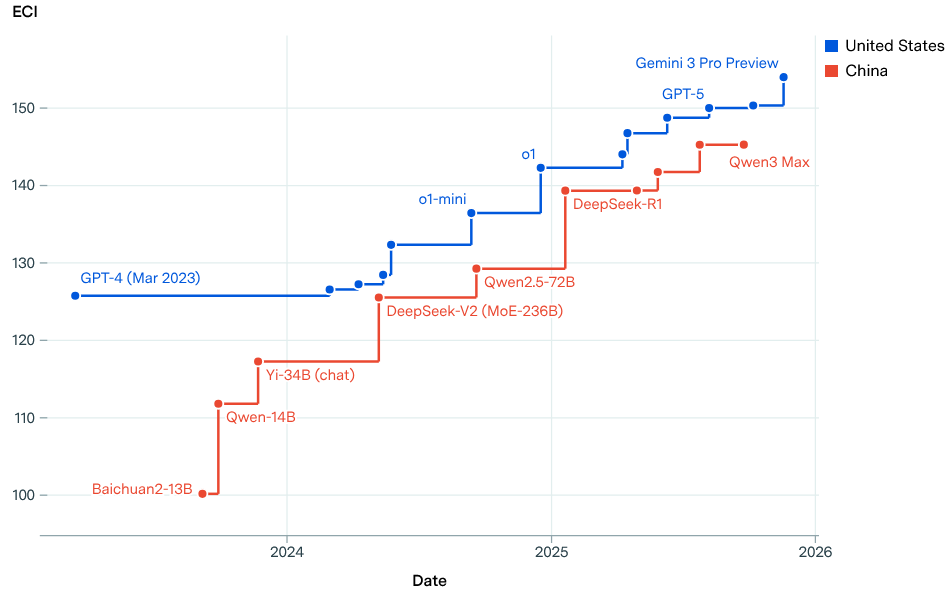
Chinese AI models are at the center of a significant debate as SpaceX-owned Cursor informs Congress about potential changes in their usage.
Overview of SpaceX’s AI Strategy
In recent discussions surrounding the future of artificial intelligence in aerospace, SpaceX has outlined its strategic approach to integrating advanced technologies into its operations. The company has been evaluating the potential of various AI models, particularly focusing on the capabilities and implications of utilizing Chinese AI models.
SpaceX’s emphasis on AI technologies is aimed at enhancing its efficiency and innovation in space exploration. The company has recognized that, while these Chinese AI models are advanced, there are concerns over intellectual property and data security that must be addressed. As a result, SpaceX may consider phasing out the use of such models in favor of developing proprietary technology that ensures greater control and reliability.
In a recent congressional session, representatives from SpaceX-owned Cursor articulated the challenges and opportunities presented by foreign AI technologies. They highlighted the importance of maintaining a competitive edge while navigating the complexities of international relations and technology transfer.
As the aerospace industry evolves, SpaceX remains committed to leveraging AI to propel its missions forward, while also aligning with national security interests. The future strategy will likely focus on a balance between innovation and safeguarding sensitive information.
Implications of Phasing Out
The decision to phase out Chinese AI models has significant implications for SpaceX and its technological landscape. As the company moves away from these models, several factors come into play that could reshape its operations and strategic direction.
- Innovation and Development: By shifting focus to homegrown AI technologies, SpaceX can foster innovation within the United States. This move may encourage investment in local talent and resources, ultimately leading to a more robust AI ecosystem.
- Regulatory Compliance: The phase-out aligns with increasing scrutiny over foreign technologies, particularly those from China. Adhering to regulatory guidelines may mitigate potential legal and operational risks, ensuring smoother operations in the long run.
- Geopolitical Considerations: As global tensions continue to rise, relying on foreign AI models can pose strategic vulnerabilities. A shift towards domestic alternatives may enhance national security and technological independence.
- Market Competition: Developing proprietary AI models could position SpaceX competitively within the aerospace industry, setting new benchmarks for efficiency and performance.
Overall, the implications of phasing out Chinese AI models extend beyond immediate operational changes, potentially redefining SpaceX’s future in a rapidly evolving technological landscape.
Congressional Response to AI Concerns
In response to growing concerns regarding the use of Chinese AI models in technology, Congress has begun to take a more active role in regulating artificial intelligence. Lawmakers are increasingly worried about the potential security risks associated with foreign AI technologies, especially those originating from China. The recent testimony from SpaceX-owned Cursor highlighted these concerns, as the company indicated it may phase out its reliance on Chinese AI models.
During a recent hearing, members of Congress expressed their apprehensions about the implications of integrating foreign AI systems into critical infrastructure. Key points raised included:
- National Security: There are fears that foreign AI could be exploited for espionage or cyberattacks.
- Technological Sovereignty: Lawmakers are advocating for the development of homegrown AI solutions to ensure that the United States maintains control over its technological landscape.
- Economic Impact: Concerns were also raised about the potential economic ramifications of relying on foreign technology.
The shift away from Chinese AI models represents not only a response to these concerns but also a strategic move by SpaceX to align itself with national interests and foster innovation in domestic AI development.
Impact on Chinese AI Models
The recent developments surrounding SpaceX’s decision to potentially phase out Chinese AI models could have far-reaching implications for the tech landscape. As the company navigates the complexities of geopolitical tensions and regulatory scrutiny, it faces a critical juncture that could reshape its AI strategy.
One of the primary impacts of this decision is the potential acceleration of innovation within the domestic AI sector. By moving away from reliance on foreign technologies, particularly Chinese AI models, SpaceX may spur growth in local talent and resources. This shift could encourage investment in homegrown solutions, fostering a more competitive environment.
Moreover, the move aligns with rising concerns over data security and ethical considerations. As Congress scrutinizes the implications of AI technologies, SpaceX’s approach to distancing itself from Chinese AI models may resonate with policymakers and consumers alike, emphasizing a commitment to secure and reliable technology.
However, this transition is not without challenges. SpaceX must ensure that its new AI systems meet the operational demands of its ambitious projects. The company will need to strike a balance between innovation and reliability, all while maintaining its competitive edge in a rapidly evolving industry.
Ultimately, the decision to phase out Chinese AI models could redefine SpaceX’s future, shaping its role in both the aerospace sector and the broader technology landscape.
Future of AI in SpaceX
The future of AI in SpaceX is poised for significant transformation as the company navigates its strategic direction in light of recent developments. With the announcement from SpaceX-owned Cursor regarding the potential phasing out of Chinese AI models, the focus has turned to alternative solutions that align with the company’s vision for innovation and efficiency.
As the space industry evolves, the integration of advanced AI technologies will be crucial for enhancing operations, from optimizing launch schedules to improving autonomous systems used in space missions. Moving away from reliance on Chinese AI models may encourage SpaceX to invest in domestic alternatives or develop proprietary solutions that leverage local talent and resources.
Key considerations for the future of AI in SpaceX include:
- Innovation: Developing unique AI capabilities tailored to specific space exploration needs.
- Partnerships: Collaborating with leading universities and tech firms to foster advancements in AI.
- Regulatory Compliance: Ensuring that new AI models meet government standards and avoid geopolitical tensions.
As SpaceX continues to prioritize its technological edge, the evolution of AI—particularly in the context of Chinese AI models—will play a pivotal role in shaping its future endeavors in space exploration.
By Luke Emberson via Openverse
One thought on “Chinese AI models: The Right Move for SpaceX’s Future”