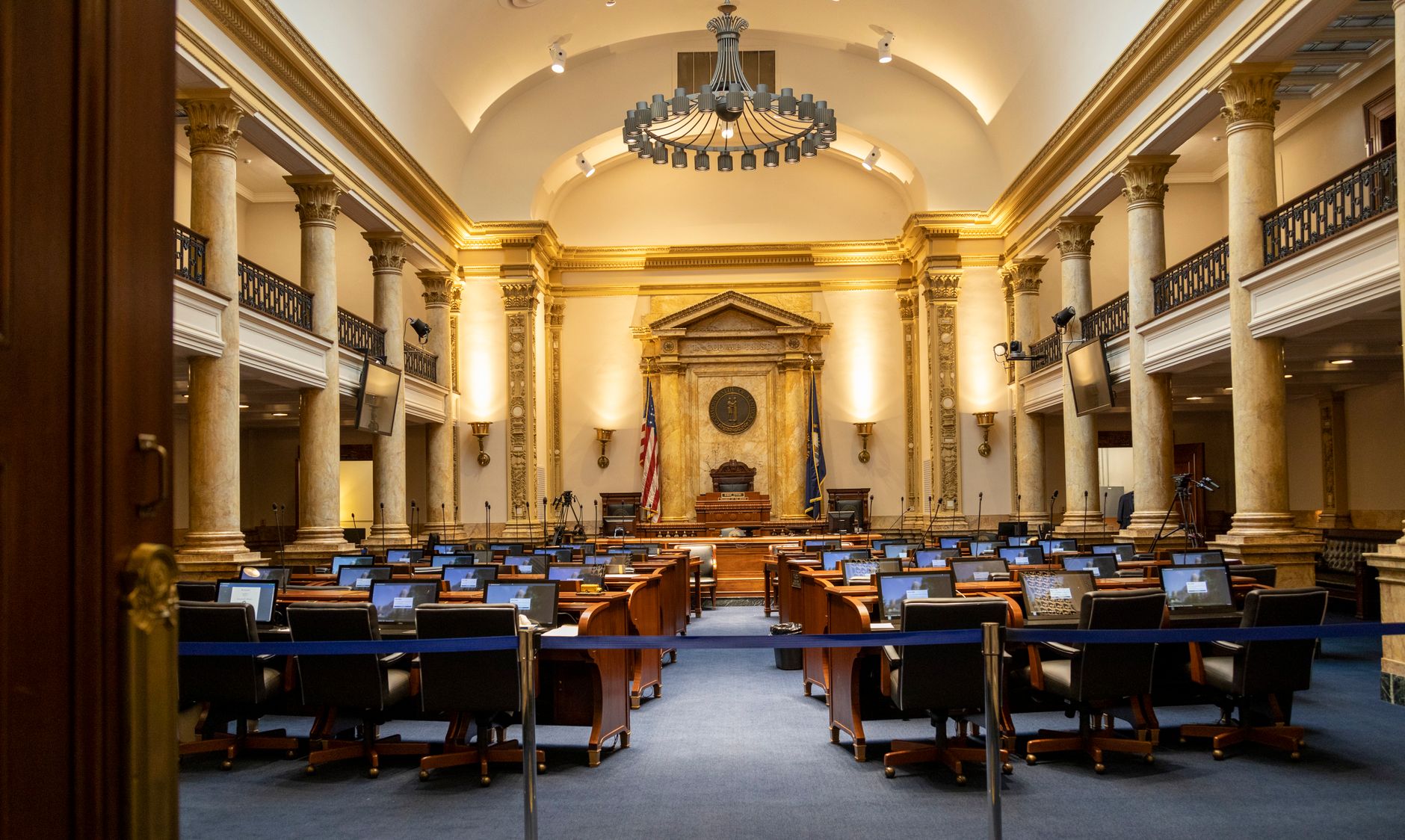
The Senate permitting bill is poised to have significant financial repercussions for data centers. If passed, it could lead to an additional $35 billion cost over the next decade, impacting the AI business landscape.
Overview of the Senate permitting bill
The Senate permitting bill has garnered significant attention as it heads for a final vote, raising concerns among various sectors, particularly for data centers. This legislation aims to streamline the approval process for energy and infrastructure projects, but it carries implications that could drastically affect the financial landscape for data centers across the nation.
Data centers, which play a crucial role in supporting the digital economy, are now facing potential increased costs estimated at around $35 billion over the next decade. The implications of this Senate permitting bill could lead to:
- Higher operational expenses: With new regulations and permitting processes, data centers may incur additional costs that could be passed on to consumers.
- Delays in construction: Prolonged approval times may hinder the timely development of new facilities, impacting service delivery.
- Investment uncertainty: Investors may hesitate to fund data center projects due to unpredictable regulatory environments.
As stakeholders prepare for the outcome of the vote, the future of data centers hangs in the balance, with many urging lawmakers to reconsider the potential consequences of the Senate permitting bill.
Financial impact on data centers
The financial implications of the Senate permitting bill for data centers could be profound, potentially leading to significant increases in operational costs. Analysts estimate that the bill, if passed, could impose an additional burden of up to $35 billion over the next decade on the industry.
This increased financial strain can be attributed to several factors:
- Regulatory Compliance: New permitting requirements may necessitate costly upgrades and modifications to existing facilities.
- Delays in Construction: Extended timelines for project approvals could lead to increased labor and material costs.
- Environmental Impact Fees: Heightened scrutiny on environmental compliance may introduce additional fees and expenses that data centers must absorb.
As companies strive to maintain profitability in an already competitive market, these rising costs could force them to reconsider their expansion plans. The Senate permitting bill not only threatens to elevate financial burdens but also poses risks to innovation and scalability within the data center sector. With many companies relying on cloud services and data processing, any disruption could ripple through the economy, affecting both consumers and businesses alike.
Ultimately, stakeholders are left to ponder whether the benefits of the Senate permitting bill outweigh its economic consequences, particularly for data centers.
Key provisions of the bill
The Senate permitting bill includes several key provisions that could significantly impact the operation and expansion of data centers across the country. These provisions are designed to streamline the approval process for various infrastructure projects but may have unintended consequences for the data center industry.
- Environmental Review Changes: The bill proposes to limit the scope and duration of environmental reviews, which could expedite the construction of new data centers. However, critics argue that this may undermine necessary environmental protections.
- Streamlined Permitting Processes: By simplifying the permitting process, the bill aims to reduce delays in project timelines. While this could benefit some sectors, it raises concerns about the potential for rushed decisions that overlook critical factors for data center operations.
- Increased Local Authority: The legislation may grant more power to local authorities in permitting decisions. This shift could lead to inconsistencies and unpredictability in how regulations are enforced across different regions, affecting data center location strategies.
- Infrastructure Investment: The bill allocates funds for infrastructure improvements, which may benefit data centers indirectly by enhancing the reliability of power and internet services.
Overall, the implications of the Senate permitting bill could lead to a complex landscape for data centers, posing both challenges and opportunities for the industry moving forward.
Industry reactions to the legislation
Industry reactions to the Senate permitting bill have been overwhelmingly negative, with many experts warning of severe ramifications for data centers across the nation. Stakeholders have expressed concerns that the proposed legislation could significantly increase operational costs, making it difficult for businesses to remain competitive.
Several leading trade associations issued statements highlighting the potential fallout. They pointed out that the additional costs derived from the bill could surpass $35 billion over the next decade. This financial burden may lead to higher prices for consumers and stifle innovation in a sector that thrives on efficiency and rapid growth.
- Data Center Industry Alliance: “The Senate permitting bill threatens to undermine the very foundation of our economy by imposing unnecessary financial strains on data centers that power virtually every digital aspect of our lives.”
- Tech Innovation Coalition: “This bill could hinder our ability to invest in groundbreaking technologies, as increased costs will divert essential resources from research and development.”
- Environmental Groups: “While we support necessary regulations, we must ensure that they do not inadvertently harm the infrastructure critical for sustainable growth.”
As the final vote approaches, many in the industry are urging lawmakers to reconsider the implications of the Senate permitting bill.
Potential long-term effects
The potential long-term effects of the Senate permitting bill could significantly reshape the landscape for data centers across the United States. As companies increasingly rely on digital infrastructure, the implications of this legislation may extend far beyond immediate financial burdens.
Experts warn that the increased regulatory hurdles introduced by the bill could lead to:
- Delays in construction: Stricter permitting processes may slow down the timeline for new data center projects, hindering growth in a sector that thrives on rapid deployment.
- Increased operational costs: With a projected $35 billion in added expenses over the next decade, data centers may be forced to pass these costs onto consumers, leading to higher prices for digital services.
- Reduced competitiveness: As companies in other regions benefit from more favorable regulations, U.S.-based data centers could struggle to attract investments, ultimately affecting job creation and technological advancement.
Furthermore, as companies weigh the risks associated with these new regulations, some may consider relocating their operations abroad, which could result in a loss of domestic jobs and innovation.
In evaluating the Senate permitting bill, stakeholders must recognize the potential for far-reaching consequences that could alter the future of data infrastructure in America.
Comparative analysis with past bills
The Senate permitting bill, while not the first of its kind, carries implications that could outstrip those of previous legislation aimed at streamlining infrastructure projects. A comparative analysis reveals significant differences in scope and potential impact on data centers.
Historically, permitting bills have focused primarily on expediting construction timelines and reducing regulatory burdens. For instance, the Fast Act, passed in 2015, aimed to address transportation infrastructure but did not delve into the complexities of energy infrastructure, which is vital for data centers. In contrast, the current Senate permitting bill introduces provisions that could fundamentally alter how data centers operate, particularly regarding environmental regulations.
Notably, prior legislation often included provisions for state-level input, allowing local governments some authority over projects. However, the Senate permitting bill appears to centralize decision-making, potentially sidelining local concerns. This shift poses risks for data centers, as they may face increased operational costs and regulatory hurdles that could cumulatively amount to an estimated $35 billion over the next decade.
As stakeholders assess the ramifications of this bill, it is essential to consider these historical contexts to understand the potential trajectory of infrastructure development in the data center industry.
Expert opinions on the implications
Experts in the technology and infrastructure sectors have voiced significant concerns regarding the implications of the Senate permitting bill on data centers. They argue that the legislation could hinder development and increase operational costs, ultimately harming the competitive edge of the industry.
One prominent analyst stated, “The Senate permitting bill, as it stands, could delay crucial projects, leading to increased expenses that data centers simply cannot absorb. This could result in a loss of innovation and technological advancement.”
Another expert highlighted the environmental implications, saying, “The bill’s provisions might impede the ability of data centers to implement sustainable practices. The challenges posed by regulatory delays can prevent companies from investing in green technologies.”
Several industry leaders echoed these sentiments, emphasizing that the potential cost increase of $35 billion over a decade is not just a financial burden but could also stifle job creation in the tech sector.
Furthermore, there are concerns about the long-term viability of data centers in the U.S. market. As one technology strategist put it, “If we do not address the issues within this Senate permitting bill, we risk falling behind global competitors who are more agile and less encumbered by such regulations.”
Conclusion and next steps
In conclusion, the Senate permitting bill presents significant challenges for data centers that could lead to substantial financial burdens over the next decade. As explored in earlier sections, the implications of this legislation may reshape the operational landscape, forcing companies to reconsider their investment strategies and operational models.
Moving forward, industry stakeholders need to stay vigilant and proactive in addressing the bill’s provisions. This could involve:
- Engaging with policymakers to advocate for amendments that could mitigate adverse effects on data centers.
- Conducting thorough cost-benefit analyses to prepare for the financial impact outlined in the initial assessments.
- Collaborating with other sectors affected by the legislation to form a united front in discussions with lawmakers.
- Investing in innovative technologies that could enhance operational efficiency and reduce costs in light of increased regulatory pressures.
Ultimately, the ramifications of the Senate permitting bill extend beyond immediate financial implications, influencing the future of data management and technology infrastructure. Staying informed and adaptable will be crucial for stakeholders navigating this evolving legislative landscape.
Photo by raksasok heng on Pexels
Sources
Wingsuit Simulator reveal: The Best Proven Trailer Yet! · AI-powered platform: The Best Simple Solution for Digital Access · Qwen4-Max Performance: The Best Proven AI Model for Coding


One thought on “Senate permitting bill: Worst implications for data centers”