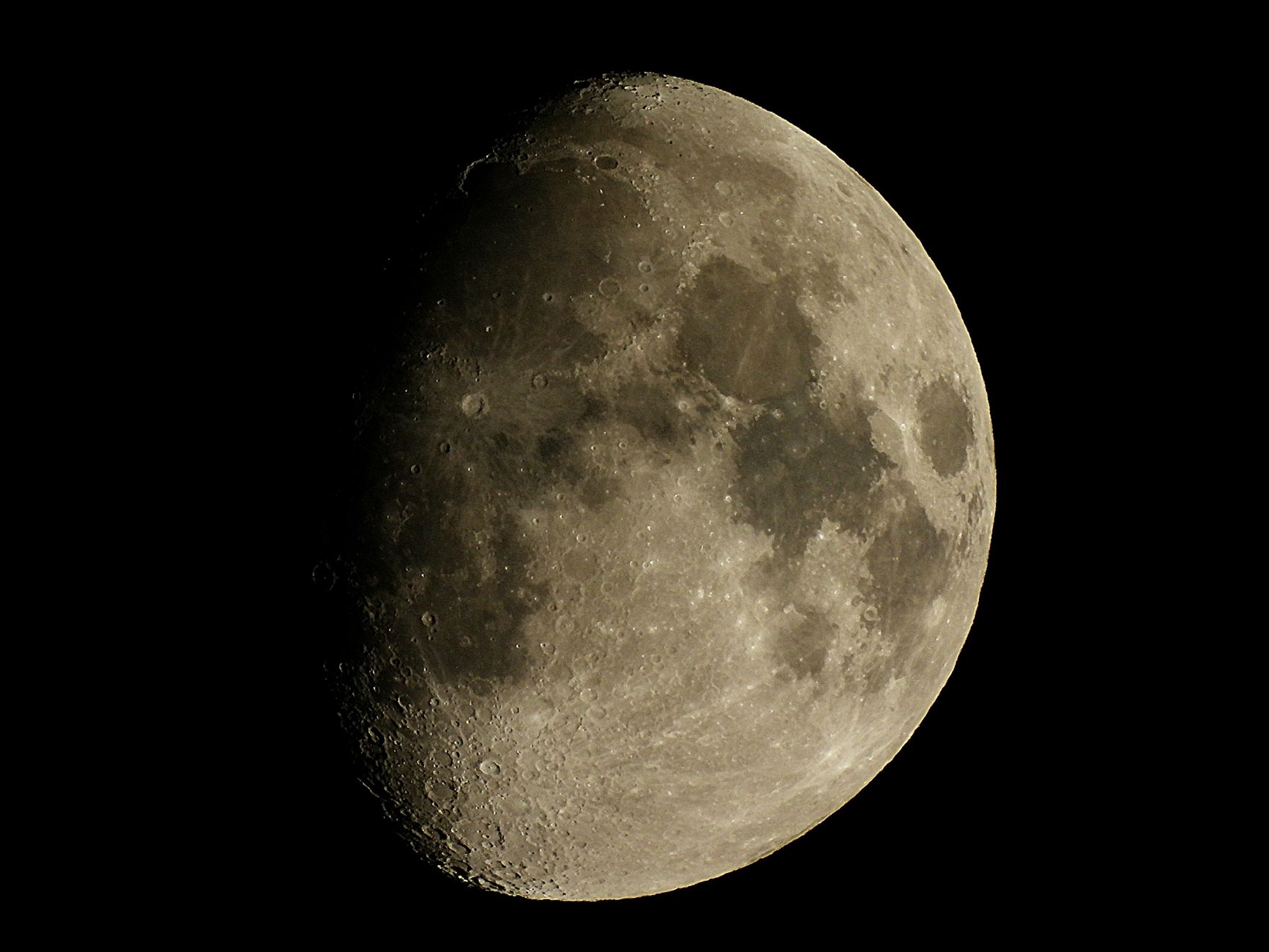
The new crater on the moon has captured the attention of scientists and space enthusiasts alike. This once-in-a-lifetime discovery offers a glimpse into the moon’s dynamic geological history.
What the new crater reveals about the moon
A recent discovery of a new crater on the moon has captivated scientists and enthusiasts alike. This crater, identified by a lunar orbiter, provides a unique opportunity to explore the moon’s geological history and its ongoing evolution. Researchers believe that studying this new crater will offer valuable insights into the moon’s surface processes.
One significant aspect revealed by the crater’s formation is the impact dynamics that shape the lunar landscape. The crater’s size and depth suggest it was created by a substantial impact, which could shed light on the frequency and scale of such events on the moon.
Moreover, the materials ejected from the crater can inform scientists about the composition of the moon’s crust. Initial analyses indicate that the new crater may expose previously hidden layers of lunar rock, potentially containing clues about the moon’s volcanic activity and its formation history.
As researchers continue to analyze the new crater on the moon, they also aim to understand its implications for future lunar exploration missions. The crater could serve as a valuable reference point for studying other celestial bodies in our solar system.
In summary, this once-in-a-lifetime discovery not only highlights the moon’s dynamic nature but also emphasizes the importance of ongoing lunar research.
How lunar orbiters are changing our understanding
In recent years, lunar orbiters have revolutionized our understanding of the moon and its geological features. These advanced spacecraft are equipped with high-resolution cameras and sophisticated sensors, allowing scientists to capture detailed images and data that were previously unattainable.
The discovery of the new crater on the moon is a prime example of how these orbiters are transforming lunar research. Equipped with cutting-edge technology, they can detect subtle changes in the moon’s surface, revealing insights about its history and composition.
Among the significant contributions of lunar orbiters are:
- High-resolution imaging: The ability to capture clear images of the moon’s surface helps researchers identify new features, such as the recently discovered crater.
- Mapping and analysis: Detailed maps generated by orbiters allow scientists to study the moon’s topography and geological processes in depth.
- Real-time data collection: Continuous monitoring provides insights into the moon’s dynamic environment, enhancing our understanding of its evolution.
As researchers analyze the new crater on the moon, they are uncovering clues about the impacts that shape our celestial neighbor. This discovery underscores the importance of ongoing lunar exploration and the role of technology in expanding our knowledge of the universe.
The significance of this discovery
The discovery of the new crater on the moon has significant implications for both scientific research and public interest in lunar exploration. As our understanding of the moon evolves, this crater provides a unique opportunity to study the geological history and surface processes of our celestial neighbor.
Experts believe that analyzing the new crater can yield insights into:
- The age of the moon: By dating the crater, scientists can better understand the timeline of lunar events and the processes that shaped the moon’s surface.
- Impact events: The characteristics of the crater can reveal information about the frequency and scale of impacts over time, contributing to models of how similar bodies in our solar system have evolved.
- Lunar geology: The composition of the materials ejected during the impact may provide clues about the moon’s internal structure and the presence of resources that could be useful for future missions.
Furthermore, the discovery of this new crater on the moon has rekindled public fascination with space exploration. As headlines capture the imagination, they remind us of the ongoing mysteries that our closest celestial body holds, encouraging future generations to look skyward and consider the possibilities that lie beyond our planet.
Comparing the new crater to past findings
The recent discovery of a new crater on the moon has sparked comparisons to previous findings that have shaped our understanding of lunar geology. Each new crater provides vital clues about the moon’s surface and its history, helping scientists piece together the dynamic processes that have shaped it over billions of years.
Historically, significant craters such as Tycho and Copernicus have offered insights into impact events and moon formation. The following points highlight key aspects of how the new crater stacks up against these past discoveries:
- Size and Composition: The new crater is notably larger than many previously documented features, suggesting a more substantial impact event.
- Age: Preliminary estimates indicate that this crater is relatively young, potentially making it easier to study the materials ejected during the impact.
- Geological Context: Unlike older craters, the new crater may reveal fresh geological processes that have been less affected by erosion.
- Scientific Potential: The new crater presents an unprecedented opportunity for researchers to conduct detailed studies, which could lead to groundbreaking discoveries about the moon’s evolution.
This new crater on the moon not only captivates the scientific community but also highlights the ongoing importance of lunar exploration and research.
Future missions to explore the moon
As scientists and space enthusiasts eagerly anticipate further insights from the new crater on the moon, future missions are being planned to explore its implications. These missions aim to gather more data and enhance our understanding of lunar geology and history.
One of the most promising prospects includes:
- Sample return missions: These missions would aim to collect samples from the new crater on the moon and bring them back to Earth for detailed analysis. The composition of these samples could provide clues about the moon’s formation and its geological activity.
- Robotic landers: Advanced robotic landers could be deployed to the vicinity of the new crater to conduct in-situ investigations. These landers may utilize sophisticated instruments to analyze soil composition and search for signs of water or other resources.
- Astronaut missions: Future crewed missions to the moon, possibly under NASA’s Artemis program, may include exploration of the crater. Astronauts could conduct experiments and gather data that robotic missions cannot achieve.
With the advent of new technologies and international collaboration, the exploration of the new crater on the moon could yield groundbreaking discoveries and reshape our understanding of our celestial neighbor.
Public interest in lunar discoveries
The discovery of a new crater on the moon has sparked significant public interest, igniting excitement among space enthusiasts and casual observers alike. As humanity’s fascination with the moon continues to grow, this finding invites both renewed curiosity and a deeper appreciation for lunar exploration.
Many people are captivated by the idea of uncovering the secrets of our closest celestial neighbor. The moon has always held a special place in human culture and history, symbolizing dreams and exploration. This latest discovery serves as a reminder of the moon’s dynamic nature and the ongoing mysteries it holds.
Social media platforms are buzzing with discussions and shared images, further enhancing public engagement. Interest in lunar phenomena has led to:
- Increased participation in astronomy events
- A surge in educational programs focused on space science
- Greater advocacy for funding in space exploration
Moreover, schools and universities are seeing a rise in student projects and research related to lunar geology, inspired by the implications of the new crater on the moon. As more discoveries unfold, the public’s connection to space exploration grows stronger, fostering a collective aspiration to understand and explore beyond our planet.
The science behind crater formation
The formation of craters on the moon is a fascinating process driven primarily by impacts from meteoroids, asteroids, and comets. Each impact event creates a unique crater, and the recent discovery of a new crater on the moon has reignited interest in this complex phenomenon.
Craters vary widely in size, shape, and depth, influenced by factors such as the speed and angle of the impacting object as well as the characteristics of the lunar surface. When a celestial body collides with the moon, it releases immense energy, causing the surface material to vaporize and eject debris. This process leads to the formation of a transient cavity that eventually settles into a more permanent crater.
In addition to the immediate physical changes, scientists study craters to gain insights into the moon’s geological history. Craters can reveal information about the age of the lunar surface and the frequency of impact events over time. Understanding these aspects is crucial for piecing together the moon’s evolution and its relationship with other celestial bodies.
As researchers analyze the new crater on the moon, they hope to uncover valuable data that could shed light on not just lunar geology, but also the broader dynamics of our solar system.
Photo by Jay Brand on Pexels
Read the original
Anthropic model training: The Wrong Move in Claude Deal · GTA 6 multiplayer release: Is it the best launch ever? · IND vs AUS Live Score: Quick Update on U-19 Match
One thought on “New crater on the moon: A once-in-a-lifetime discovery”